Ever noticed how your mood dips when your stomach feels off? Or how comfort food can sometimes instantly lift your spirits? It’s not just in your head—the gut and mood connection is real. Scientists call the gut the “second brain,” and for women over 35, understanding this powerful link may unlock the secret to more energy, better resilience to stress, and even brighter moods.
Kismet: Did you know that **90–95% of your serotonin—the “feel-good” neurotransmitter—is actually made in your gut, not your brain? That’s right! Your digestive tract may be the unsung hero behind your happiness.
Meet Your Second Brain – The Gut-Brain Axis
What Is the Gut-Brain Axis?
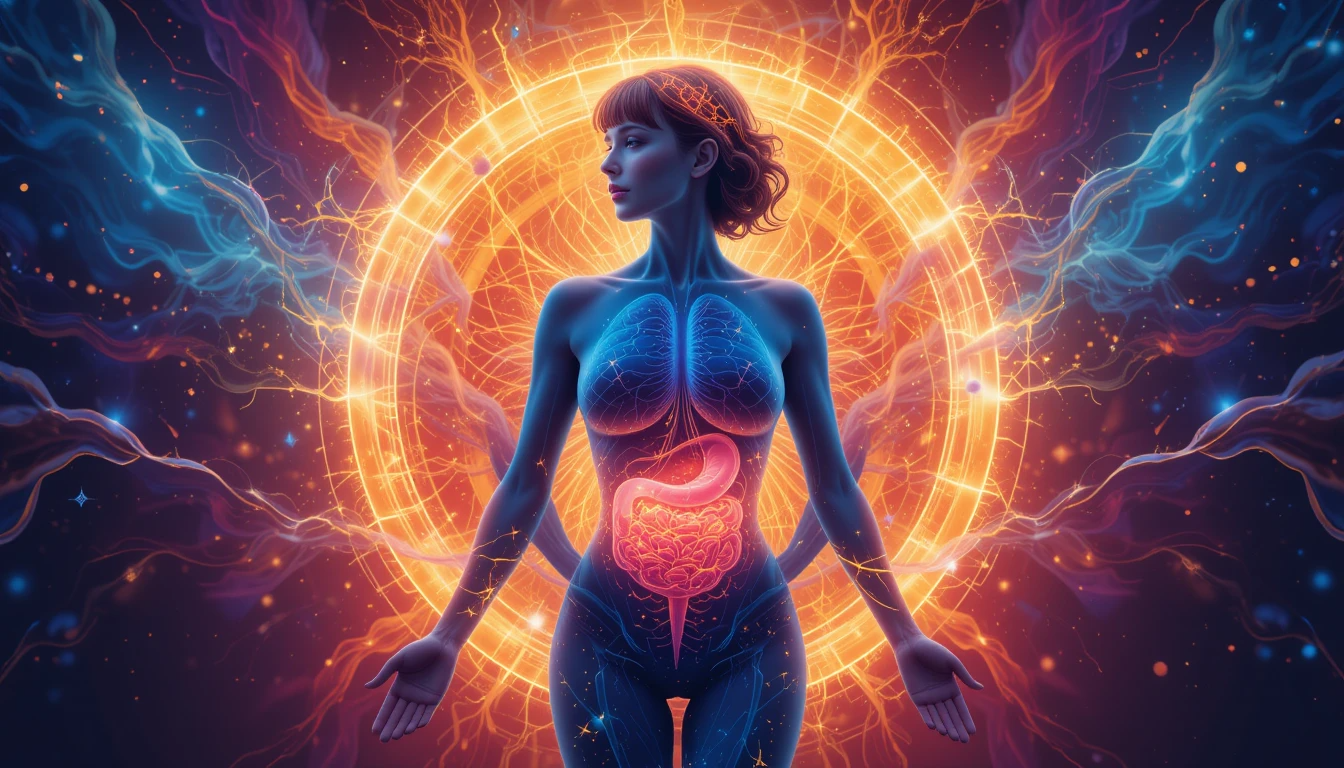
The gut-brain axis is a two-way communication highway connecting your digestive system to your brain via the vagus nerve. This pathway allows chemical messengers (like neurotransmitters and hormones) to flow freely, impacting your mental health just as much as your digestion.
Why It Matters More After 35
Hormonal changes, slower digestion, and stressors from modern life can disrupt gut balance. For women above 35, this may show up as bloating, mood swings, increased anxiety, or even poor sleep—all tied to your gut microbiome’s health.
Gut Bacteria – Tiny Influencers with Big Power
Your gut microbiome is a bustling community of trillions of bacteria. The “good guys” help digest food, create vitamins, and regulate inflammation. But here’s the kicker—these microbes also influence brain chemistry.
How Gut Bacteria Affect Mood
- They produce neurotransmitters like serotonin, dopamine, and GABA.
- They regulate cortisol, your stress hormone.
- They influence inflammation levels, which can affect depression risk.
Kismet: Researchers discovered that transplanting gut bacteria from an anxious mouse to a calm one actually made the calm mouse anxious! Imagine what your microbes could be doing to your mindset.
Signs Your Gut Might Be Messing with Your Mood
Emotional Clues
- Frequent anxiety
- Low motivation
- Brain fog
- Mood swings
Physical Clues
- Bloating
- Constipation or diarrhea
- Food sensitivities
- Low energy despite good sleep
How to Support the Gut and Mood Connection Naturally
Eat for Your Microbes
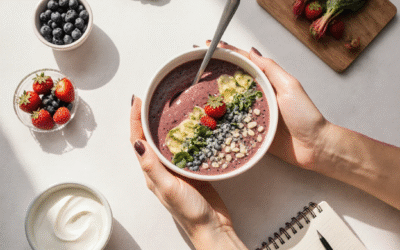
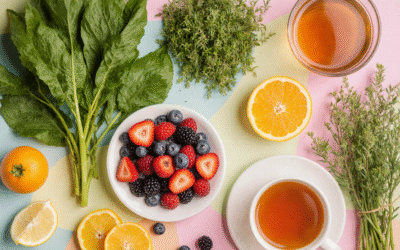
- Fiber-rich foods (oats, beans, apples) feed good bacteria.
- Fermented foods (yogurt, sauerkraut, kimchi) add probiotics.
- Polyphenols in blueberries, green tea, and dark chocolate act as prebiotic fuel.
Supplement Support
- Probiotics: Can restore balance if your microbiome is depleted.
- Prebiotics: Special fibers that fuel beneficial bacteria.
- Omega-3 fatty acids: Found in fish oil or algae, may reduce inflammation and improve mood.
Lifestyle Habits for a Happy Gut
- Prioritize sleep—your microbiome resets while you rest.
- Move your body: Exercise boosts gut diversity and serotonin.
- Manage stress with breathwork, yoga, or meditation to calm the gut-brain axis.
When to Seek Professional Help
If digestive issues or mood swings are ongoing, it may be worth checking in with a healthcare provider. Sometimes underlying issues like IBS, thyroid imbalances, or perimenopause symptoms need targeted support.
The Gut and Happiness: Your Takeaway
Your digestion isn’t just about breaking down food—it’s about breaking through to better mental health. For women over 35, supporting your gut health may be one of the most natural and powerful ways to reclaim joy, reduce stress, and keep your mood steady.
Did you know: In Japan, there’s a cultural practice called hara hachi bu, where people eat until they are 80% full. Studies show this not only supports digestion but may also contribute to happiness and longevity!