Let’s be honest—if you’re anything like me, your bathroom cabinet probably looks like a Sephora stockroom. Serums, creams, essences, oils… and yet, why does your skin still feel like the Sahara Desert by 3 PM?
Here’s the plot twist nobody tells you when you turn 35: your skin isn’t just thirsty for what you slather on top. It’s absolutely parched for what you feed it from within. The real skin hydration nutrients that make a difference? They’re sitting in your kitchen, not your cosmetics bag.
After three decades of obsessing over my skincare routine (and approximately one million dollars spent on products that promised miracles), I finally discovered what actually works. And spoiler alert: it’s delicious, it’s science-backed, and it doesn’t require a second mortgage.
Why Your Expensive Moisturizer Isn’t Enough
Your skin is your body’s largest organ, and just like your heart, liver, or brain, it needs proper nutrition to function optimally. When we hit our mid-thirties, several things happen simultaneously that make skin hydration nutrients absolutely essential:
Estrogen levels start their slow decline, which reduces collagen production and decreases your skin’s ability to retain moisture. Meanwhile, the natural hyaluronic acid in your skin begins diminishing at a rate of about one percent per year. Add in environmental stressors, the aftermath of those sun-worshipping twenties, and perhaps a few sleepless nights (thanks, hormones), and you’ve got yourself a perfect storm of dehydration.
But here’s the good news: while you can’t turn back time, you absolutely can rebuild your skin’s hydration from the cellular level up. And it starts with understanding which skin hydration nutrients actually matter.
The Foundation: Essential Fatty Acids (Your Skin’s Best Friend)
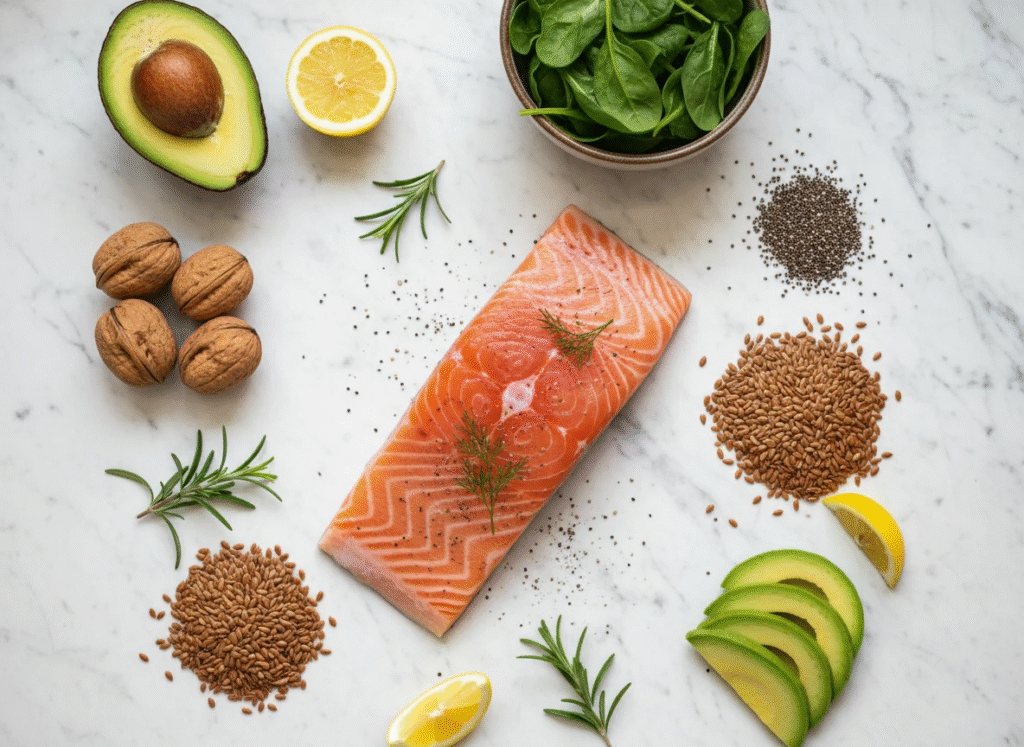
If skin hydration nutrients had a VIP section, omega-3 fatty acids would be sitting in the front row with bottle service. These healthy fats are literally the building blocks of your skin cell membranes, and they’re responsible for maintaining that protective barrier that keeps moisture locked in and irritants locked out.
The research is pretty spectacular: studies show that omega-3s can reduce transepidermal water loss by up to 30 percent. That means your skin holds onto hydration three times better when you’re getting adequate omega-3s. Not too shabby for eating some delicious salmon, right?
Where to find them: Wild-caught fatty fish (salmon, mackerel, sardines), walnuts, chia seeds, flaxseeds, and hemp seeds. Aim for two servings of fatty fish per week, or if you’re plant-based, a tablespoon of ground flaxseed daily works wonders.
The Hydration Heroes: Vitamins That Transform Your Skin
Vitamin C: The Collagen Constructor
Vitamin C isn’t just for warding off colds—it’s absolutely critical for skin hydration because it’s essential for collagen synthesis. Without adequate vitamin C, your body literally cannot produce the collagen that keeps your skin plump, firm, and capable of holding moisture.
But here’s what makes vitamin C particularly brilliant: it also acts as a powerful antioxidant that protects your skin cells from oxidative stress. Translation? It fights the aging process while simultaneously helping your skin stay hydrated. That’s what I call multitasking.
Daily goal: 75-90 mg for women. Load up on citrus fruits, strawberries, bell peppers, broccoli, and kiwi fruit. A single orange gives you your entire daily requirement.
Vitamin E: The Moisture Bodyguard
Think of vitamin E as vitamin C’s partner in crime. These two work synergistically to protect your skin cells and enhance hydration. Vitamin E strengthens your skin barrier function, which is essentially your body’s defense system against moisture loss.
Find it in: Almonds, sunflower seeds, spinach, avocados, and sweet potatoes. Pro tip: pair vitamin E-rich foods with healthy fats for better absorption.
Biotin (Vitamin B7): The Underrated Game-Changer
Here’s your Kismet moment: While everyone’s obsessing over collagen supplements for skin hydration, research suggests that biotin deficiency might be even more impactful than we realized. A fascinating 2015 study found that women who took biotin supplements for 90 days showed significant improvement in skin moisture retention and smoother skin texture. But here’s the truly surprising part—subsequent research discovered that biotin doesn’t just help with hydration; it actually influences the expression of genes responsible for fatty acid synthesis in skin cells. Essentially, biotin is literally reprogramming your skin at the genetic level to produce the natural oils it needs for hydration. Mind-blowing, right? Most people associate biotin with hair and nail health, but your skin might benefit even more dramatically, especially if you’re over 35 when natural biotin production starts declining.
Sources: Eggs (especially the yolks), almonds, sweet potatoes, spinach, and nutritional yeast. The recommended daily intake is 30 mcg, which is incredibly easy to reach through food alone.
The Hydration Multipliers: Minerals That Make Magic Happen
Zinc: The Inflammation Fighter
Zinc might not get as much attention as the vitamin superstars, but it’s absolutely essential for maintaining skin integrity and hydration. This mineral helps regulate oil production (crucial for keeping skin balanced, not too dry or too oily) and supports the skin’s healing processes.
Best sources: Oysters (zinc powerhouses), beef, pumpkin seeds, lentils, and chickpeas. Women need about 8 mg daily.
Selenium: The Antioxidant Protector
Selenium works alongside vitamins C and E to protect skin cells from damage while supporting skin elasticity. Better elasticity means better moisture retention. It’s all connected!
Where to get it: Brazil nuts (just two provide your entire daily requirement), tuna, eggs, and whole grains. But don’t overdo it—too much selenium can be problematic, so stick to food sources rather than high-dose supplements.
The Ultimate Hydrator: Good Old H2O (But Make It Strategic)
Let’s talk about water. Yes, drinking water is essential for skin hydration nutrients to work effectively, but here’s what matters more than you think: when and how you drink it.
The latest research suggests that drinking water consistently throughout the day is far more effective than chugging a liter at once. Your body can only absorb so much water at a time, and the rest? Straight to your bladder without benefiting your skin.
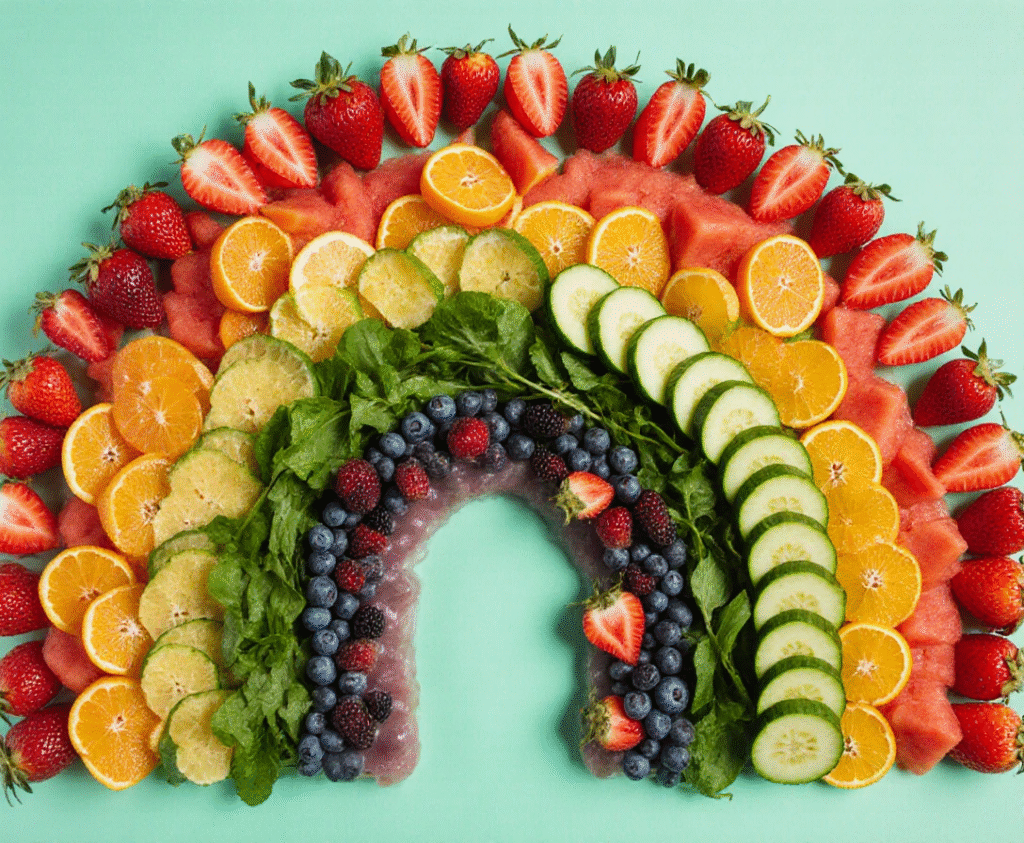
The smart approach: Drink 8-10 glasses of water daily, spread evenly from morning to evening. Add electrolytes occasionally (coconut water, a pinch of sea salt in your morning water) to enhance absorption. Eat water-rich foods like cucumber, watermelon, oranges, and zucchini—these provide hydration plus those crucial skin hydration nutrients we’ve been discussing.
The Protein Perspective: Collagen and Beyond
After 35, our natural collagen production decreases by about one to two percent annually. While collagen supplements have become incredibly trendy, the real secret is ensuring you’re getting adequate protein overall.
Your body needs sufficient amino acids to build collagen, elastin, and other structural proteins that keep skin hydrated and firm. Without enough protein, even the best skin hydration nutrients can’t work their magic because your skin lacks the building blocks to retain moisture.
Aim for: 0.8 to 1 gram of protein per kilogram of body weight daily. Include a variety of sources: fish, poultry, eggs, legumes, Greek yogurt, and quinoa.
Putting It All Together: Your 7-Day Skin Hydration Eating Plan
You don’t need to overhaul your entire diet overnight. Start by incorporating these skin hydration nutrients gradually:
Morning: Start with a glass of water with lemon. Have eggs with spinach and avocado on whole grain toast—you’ve just loaded up on biotin, vitamin E, omega-3s, and protein.
Snack: A small handful of almonds and an orange—vitamin E and C in perfect harmony.
Lunch: Grilled salmon over mixed greens with olive oil dressing, cherry tomatoes, and pumpkin seeds. You’re hitting omega-3s, vitamin C, vitamin E, zinc, and selenium.
Afternoon: Greek yogurt with berries and chia seeds—protein, antioxidants, and more omega-3s.
Dinner: Chicken or chickpea curry with sweet potatoes and broccoli over quinoa. This covers protein, biotin, vitamin C, and provides steady energy.
Evening: Herbal tea and two Brazil nuts if you haven’t had selenium today.
The Bottom Line: Your Skin Reflects What You Feed It
Here’s the truth that the beauty industry doesn’t want you to know: those $300 creams can’t compensate for nutritional deficiencies. Your skin is a reflection of your overall health, and the most powerful skin hydration nutrients come from the food on your plate, not the products in your bathroom.
The women I know who have the most gorgeous, glowing skin at 40, 50, and beyond? They’re not using unicorn tears in a bottle. They’re eating well, drinking enough water, and understanding that true beauty and hydration starts from within.
Start incorporating these skin hydration nutrients today, and I promise you’ll notice a difference within three to four weeks. Your skin will feel plumper, look more radiant, and you’ll finally understand why nutrition is the ultimate beauty secret.
Now if you’ll excuse me, I’m off to make myself a salmon and avocado salad. My skin is thirsty, and I know exactly how to quench it.