Let’s be real: few things spark curiosity faster than the words “anti-aging supplements.” They promise smoother skin, brighter energy, sharper minds—and if you squint at the marketing long enough—maybe even a time machine in capsule form.
But here’s the catch: not everything in that glossy bottle delivers what it claims. For women over 35, it’s less about chasing youth and more about aging well—staying strong, glowing, and vibrant. So, what’s hype, what’s hope, and what actually helps? Let’s spill the collagen-rich tea.
The Rise of Anti-Aging Supplements
From collagen powders to resveratrol capsules, anti-aging supplements are now a $60 billion industry—and growing fast. You’ll find them in beauty aisles, wellness websites, and influencer feeds, all promising to “turn back time.”
But while the word anti-aging sounds magical, your body doesn’t actually want to “reverse” age—it wants to age better. The secret? Supporting your body’s natural repair systems, not fighting them.
What Actually Works in Anti-Aging Supplements
1. Collagen – The Skin’s Scaffolding
Collagen is like the mattress springs beneath your skin—once they sag, everything above follows suit. After 35, collagen production drops by about 1% per year, leading to fine lines and loss of elasticity.
Science check:
Multiple studies show that hydrolyzed collagen peptides can improve skin hydration and elasticity after 8–12 weeks of consistent use. Look for collagen types I and III from marine or bovine sources.
Pro tip: Collagen works best when paired with Vitamin C, which helps your body build it naturally.
Kismet: Did you know that astronauts in space lose collagen faster than people on Earth? NASA studies collagen loss in microgravity to better understand how to slow aging here on the ground.
2. CoQ10 – The Mitochondrial Spark Plug
If your cells had a “battery life,” Coenzyme Q10 (CoQ10) would be their charger. Levels of CoQ10 decline as we age, leading to less cellular energy and more oxidative stress.
Why it matters:
CoQ10 has been shown to improve skin firmness, reduce oxidative damage, and even boost heart health. Think of it as your inner energy serum.
Best form: Look for ubiquinol, the active form your body absorbs best.
3. Omega-3 Fatty Acids – The Youthful Glow Generator
If your skin feels dry, dull, or flaky, omega-3s could be your missing magic. These healthy fats keep your cell membranes supple, support brain function, and reduce inflammation—key players in both aging and how we feel aging.
Try this: Combine fish oil (EPA/DHA) with antioxidants like Vitamin E for synergistic effects.
4. Resveratrol – The “Red Wine Molecule” with Real Benefits
Resveratrol, found in grape skins and red wine, activates the SIRT1 “longevity gene.” It helps repair DNA damage and improve mitochondrial function—fancy talk for slowing down aging at the cellular level.
But beware: The amount in one glass of wine is tiny. You’d need hundreds of bottles to match the dosage used in studies. (So yes, moderation still applies.)
Look for: Supplements standardized to trans-resveratrol, 100–250mg daily.
5. Vitamin D – The Overlooked Age Defender
Women over 35, especially in the US and UK, often have low Vitamin D levels due to less sun exposure. Low Vitamin D is linked not just to brittle bones but to premature aging, inflammation, and even mood changes.
Dosage guide: Aim for 1,000–2,000 IU per day, but test your levels first.
What Doesn’t Work (or Isn’t Proven Yet)
1. “Miracle” Collagen Boosters Without Collagen
Some supplements promise to “boost collagen naturally” but lack both collagen and Vitamin C. Without those ingredients, you’re just paying for expensive powder.
2. Fancy Plant Extracts with No Real Data
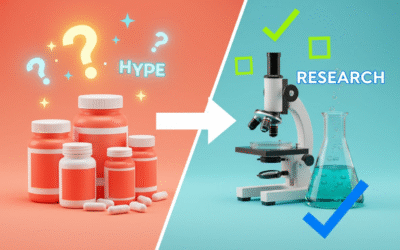
From “dragon fruit enzymes” to “moon dust adaptogens,” many anti-aging blends sound magical but lack human studies. Always look for clinical trials or peer-reviewed data, not just influencer claims.
3. Overdosing on Antioxidants
Here’s the twist: too many antioxidants can backfire. Your body needs some oxidative stress to trigger repair mechanisms. Over-supplementing can actually dull this natural resilience.
Balance tip: Get most antioxidants from colorful foods—berries, leafy greens, green tea—and supplement only as needed.
4. “Hormone-Balancing” Anti-Aging Supplements
Supplements claiming to balance estrogen or DHEA levels can be risky without medical supervision. They may cause unwanted side effects like mood swings, acne, or bloating.
If in doubt: Work with a functional medicine practitioner or hormone specialist.
The Lifestyle Equation: Supplements Aren’t Magic Pills
Let’s face it—no capsule can compete with a good night’s sleep, hydration, movement, and joy. Anti-aging supplements can enhance your wellness, but they’re the supporting act, not the headliner.
The “Aging Well” Formula
- Move daily: Muscle loss accelerates after 35. Strength training = anti-aging from the inside out.
- Sleep deeply: Growth hormone and cellular repair peak during deep sleep.
- Stay hydrated: Skin cells plump up from water, not moisturizer.
- Eat color: Every hue in your salad is a different antioxidant army.
- De-stress: Chronic stress ages cells faster than sugar. (And that’s saying something.)
Kismet: Researchers found that people who regularly laugh produce lower levels of the stress hormone cortisol—meaning your sense of humor might literally be your cheapest anti-aging supplement.
How to Choose a Quality Anti-Aging Supplement
The supplement aisle can feel like a dating app—too many options, and not all are honest.
Here’s your “smart shopper” checklist:
✅ Transparency: Look for clinical doses listed on the label, not proprietary blends.
✅ Third-party testing: NSF, USP, or Informed Choice certification ensures purity.
✅ Synergy: Ingredients that work together—like collagen + Vitamin C, or CoQ10 + Vitamin E—are more effective.
✅ Form: Capsules or powders with liposomal or hydrolyzed delivery are more bioavailable.
✅ Consistency: Take it for 8–12 weeks before judging results.
The Bottom Line
Aging isn’t something to “fight”—it’s something to support.
The most effective anti-aging supplements—like collagen, CoQ10, Omega-3s, Vitamin D, and resveratrol—help your body do what it’s already built to do: repair, protect, and renew.
Pair them with daily habits that nourish your skin, mind, and energy—and you’ll feel youthful not because you’re trying to be 25 again, but because you’re finally thriving in your 40s and beyond.