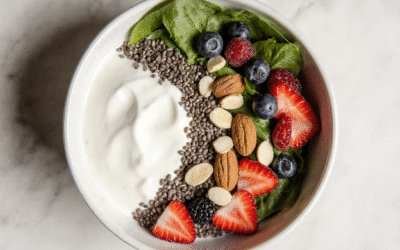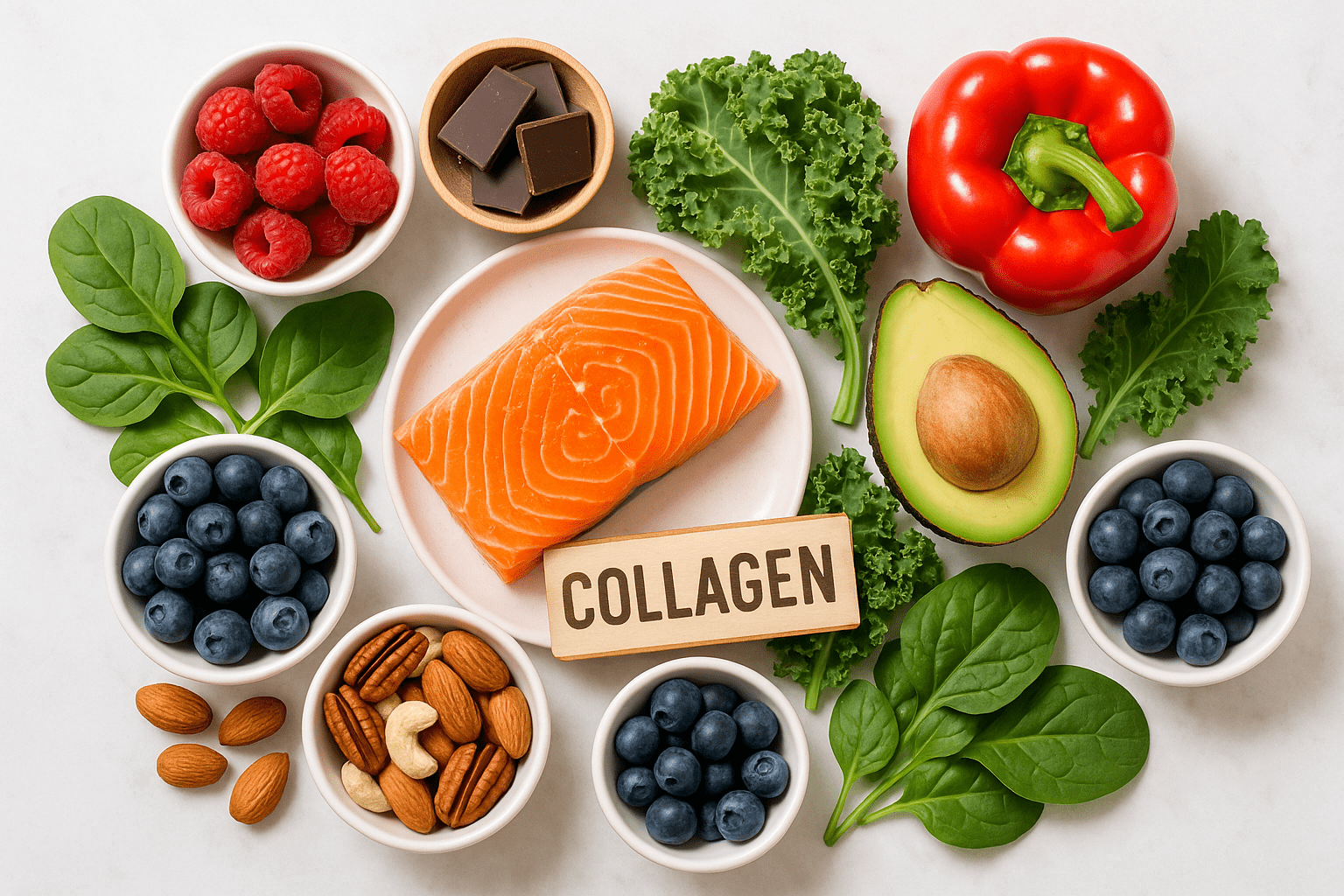
Ladies, let’s talk about the elephant in the room – or should I say, the mirror in the bathroom? If you’re over 35 and living in the US, Australia, or the UK, you’ve probably noticed your skin doesn’t bounce back quite like it used to. But before you reach for that expensive collagen supplement or book another dermatologist appointment, what if I told you the secret to naturally boosting collagen production might already be sitting in your kitchen? There are foods that naturally boost collagen.
Welcome to the Ageless Glow Diet – your delicious pathway to naturally radiant skin that doesn’t require a second mortgage or a chemistry degree to understand.
What Exactly Is Collagen and Why Should You Care?
Think of collagen as your skin’s internal scaffolding. This protein makes up about 75% of your skin’s structure, providing that coveted plumpness, elasticity, and smooth texture we all miss from our twenties. Unfortunately, after age 25, we lose approximately 1% of our collagen each year. By the time we hit 35, this decline becomes more noticeable – hello, fine lines and that slightly less-bouncy skin texture.
Kismet: Here’s something that might surprise you – your morning coffee ritual could actually be sabotaging your collagen production! While moderate caffeine intake has health benefits, consuming more than 300mg daily (roughly 3 cups of coffee) can interfere with collagen synthesis by reducing the absorption of vitamin C, a crucial collagen cofactor. But don’t panic – we’ll show you how to work with this knowledge rather than against it.
The Science Behind Food-Based Collagen Boosting
Foods that naturally boost Collagen
Before we dive into the delicious details, let’s understand how this works. Your body produces collagen using specific amino acids (primarily glycine, proline, and hydroxyproline) along with vitamin C, zinc, and copper as essential cofactors. Rather than consuming expensive collagen supplements that may or may not survive your digestive system intact, feeding your body the raw materials it needs to produce its own collagen is both more effective and significantly more affordable.
Your Ageless Glow Diet Shopping List
Vitamin C Powerhouses: Your Collagen Construction Crew
Vitamin C isn’t just for fighting colds – it’s absolutely essential for collagen synthesis. Without adequate vitamin C, your body literally cannot produce collagen effectively.
Top picks for women over 35:
- Red bell peppers: Containing more vitamin C than oranges, plus they’re incredibly versatile for busy lifestyles
- Kiwi fruit: Two kiwis provide your entire daily vitamin C requirement
- Strawberries: Perfect for satisfying sweet cravings while supporting collagen production
- Broccoli: Steam it lightly to preserve maximum vitamin C content
Pro tip: Pair these with your morning routine by adding sliced strawberries to your yogurt or throwing red bell pepper strips into your lunchtime salad.
Amino Acid All-Stars: The Building Blocks
These foods provide the specific amino acids your body needs to construct collagen:
Bone broth: The ultimate collagen-supporting food, rich in glycine, proline, and hydroxyproline. Make it yourself in a slow cooker with organic bones, or find high-quality versions at health food stores.
Wild-caught fish: Salmon, mackerel, and sardines provide not only collagen-supporting amino acids but also omega-3 fatty acids that help maintain skin moisture and reduce inflammation.
Grass-fed beef: Rich in zinc and amino acids. Choose lean cuts and prepare them with collagen-boosting vegetables for maximum benefit.
Eggs: Particularly the whites, which are packed with proline and glycine. The yolks provide additional nutrients like biotin for overall skin health.
Antioxidant Protectors: Your Anti-Aging Army
These foods don’t just help build collagen – they protect existing collagen from damage:
Berries: Blueberries, blackberries, and raspberries contain anthocyanins that protect collagen fibers from free radical damage while supporting the production of new collagen.
Dark leafy greens: Spinach, kale, and Swiss chard provide vitamin C, folate, and antioxidants that support collagen production and protect against environmental damage.
Tomatoes: Rich in lycopene, which helps protect against collagen breakdown caused by UV exposure. Cooked tomatoes provide even more bioavailable lycopene than raw ones.
Mineral Must-Haves: The Unsung Heroes
Zinc: The Collagen Catalyst
Zinc acts as a cofactor in collagen synthesis, and many women over 35 are deficient in this crucial mineral.
Best sources:
- Oysters (the ultimate zinc powerhouse)
- Pumpkin seeds (perfect for snacking or salad toppers)
- Chickpeas (great for meal prep and versatile recipes)
- Cashews (satisfying and portable)
Copper: The Collagen Cross-Linker
Copper helps form cross-links between collagen fibers, making them stronger and more stable.
Top sources:
- Dark chocolate (70% cacao or higher – finally, a beauty treatment you can enjoy!)
- Avocados (perfect for the busy woman’s lifestyle)
- Cashews and almonds
- Quinoa
The Ageless Glow Diet in Action: A Day of Eating
Let’s make this practical with a sample day that’s realistic for busy women:
Morning
Start with a vitamin C-rich smoothie: blend spinach, strawberries, kiwi, and a scoop of collagen-supporting protein powder with coconut water. If you can’t give up your coffee, limit it to one cup and pair it with a vitamin C-rich snack 30 minutes later.
Lunch
A colorful salad with mixed greens, red bell peppers, cherry tomatoes, avocado, and grilled salmon, dressed with olive oil and lemon juice. Add pumpkin seeds for extra zinc and crunch.
Dinner
Homemade bone broth-based soup loaded with vegetables, or grass-fed beef stir-fried with broccoli and red peppers, served over quinoa.
Snacks
A small piece of dark chocolate with almonds, or Greek yogurt topped with berries.
Foods to Limit or Avoid
Just as important as what you eat is what you don’t eat. These foods can actually accelerate collagen breakdown:
Sugar and refined carbohydrates: These create advanced glycation end products (AGEs) that damage collagen fibers and make them stiff and brittle.
Processed foods: Often high in inflammatory compounds that can interfere with collagen production.
Excessive alcohol: Can deplete vitamin C and other nutrients essential for collagen synthesis.
Beyond Diet: Lifestyle Factors That Support Your Ageless Glow
Your diet is the foundation, but these lifestyle factors amplify your results:
Sleep: Your body repairs and produces collagen most efficiently during deep sleep. Aim for 7-9 hours nightly.
Sun protection: UV rays break down collagen faster than your body can replace it. Daily SPF is non-negotiable.
Stress management: Chronic stress increases cortisol, which can interfere with collagen production. Find your zen, whether it’s through yoga, meditation, or simply taking time for yourself.
Hydration: Well-hydrated skin maintains its collagen structure better. Aim for at least 8 glasses of water daily.
Making It Sustainable: Tips for Long-Term Success
The key to any successful dietary approach is making it fit seamlessly into your existing lifestyle:
- Meal prep: Prepare collagen-supporting ingredients in batches on weekends
- Smart swaps: Replace your usual snacks with collagen-supporting alternatives gradually
- Family-friendly: Most of these foods appeal to all ages, making family meal planning easier
- Budget-conscious: Focus on seasonal, local produce and buy certain items (like nuts and seeds) in bulk
The Bottom Line
The Ageless Glow Diet isn’t about restriction or complicated rules – it’s about nourishing your body with the specific nutrients it needs to maintain that youthful radiance from the inside out. By incorporating these collagen-supporting foods into your daily routine, you’re not just investing in your skin; you’re supporting your overall health and vitality.
Remember, consistency is key. You won’t see dramatic changes overnight, but give your body 8-12 weeks of consistent collagen-supporting nutrition, and you’ll likely notice improvements in skin texture, elasticity, and that overall healthy glow that no highlighter can replicate.
Your skin has been with you through everything – your twenties adventures, your thirties achievements, and now it deserves the nourishment to continue looking and feeling amazing through all the decades ahead. The fountain of youth might not exist, but your kitchen just might be the next best thing.
Ready to start your Ageless Glow Diet journey? Begin with just one or two changes this week, and gradually build your collagen-supporting repertoire. Your future self will thank you for starting today.