Let’s talk about something that doesn’t get nearly enough attention at brunch conversations—your bones. Yes, those 206 incredible structures holding you together right now. If you’re over 35, your skeleton is quietly staging a rebellion, and unless you’re feeding it the right fuel, it’s going to get louder. The good news? Bone health nutrition for women doesn’t require a PhD in biochemistry or a complete life overhaul. It just needs your attention and some deliciously strategic eating.
Here’s the reality: after 35, women start losing bone density at an accelerated rate. By the time menopause hits, that loss can speed up to 2-3% per year. But before you panic-Google “bone density scans near me,” know this—your fork is one of your most powerful tools for fighting back. Let’s dive into the nutrition strategies that’ll keep you strong, active, and fracture-free for decades to come.
Why Bone Health Nutrition Matters More After 35
Your mid-thirties mark a turning point. Peak bone mass—the maximum bone density you’ll ever achieve—typically occurs around age 30. After that, the balance shifts. Your body starts breaking down old bone faster than it builds new bone. Add declining estrogen levels (which protect bone density), and suddenly you’re in a race against time.
But here’s what makes this exciting rather than terrifying: your bones are living tissue that responds to what you feed them. They’re constantly remodeling, breaking down and rebuilding. Give them the right raw materials through bone health nutrition, and women over 35 can actually maintain or even improve their bone strength.
The Calcium Conversation: Beyond Milk
You knew calcium was coming, right? But let’s move past the “drink your milk” lectures. Yes, calcium is crucial—you need about 1,000-1,200 mg daily after 35—but how you get it matters enormously.
Smart Calcium Sources
Dairy gets all the glory, but it’s not your only option. A cup of fortified plant milk, a serving of sardines (bones included!), or a cup of cooked collard greens all deliver impressive calcium. Here’s the genius move: spread your calcium intake throughout the day. Your body can only absorb about 500 mg at once, so that megadose supplement you’re taking? You’re literally flushing most of it away.
Try this instead: Greek yogurt with almonds for breakfast (350 mg), a kale salad at lunch (200 mg), and salmon with broccoli for dinner (300 mg). You’ve just hit your target without even trying hard.
Kismet: Here’s something that’ll surprise you—cheese might be better for your bones than milk. Studies show that fermented dairy products like cheese and yogurt appear more effective at improving bone density than plain milk. Scientists believe the fermentation process creates beneficial compounds (like vitamin K2) that help calcium actually get deposited into your bones rather than just floating around your bloodstream. So that cheese plate? Consider it bone medicine.
The Vitamin D Dilemma
Calcium without vitamin D is like a car without keys—impressive but going nowhere. Vitamin D helps your body actually absorb and use calcium, yet an estimated 42% of American adults are deficient.
Here’s your bone health nutrition strategy: aim for 600-800 IU daily (some experts recommend up to 2,000 IU for women over 35). Get it from fatty fish like salmon and mackerel, egg yolks, and fortified foods. But honestly? For most women, supplementation is necessary. The sun helps, but factors like sunscreen (wear it!), season, latitude, and skin tone all affect production.
The Testing Truth
Ask your doctor for a 25-hydroxy vitamin D blood test. It costs around $50-150 in the US without insurance, but it’s worth knowing your baseline. Optimal levels sit between 30-50 mg/mL. If you’re below 20, you’re clinically deficient and your bones are suffering.
Protein: Your Bone’s Building Block
Plot twist—protein is just as important as calcium for bone health nutrition in women over 35. About 50% of your bone volume is protein, and studies show that higher protein intake correlates with better bone density and fewer fractures.
Aim for 0.8-1 gram per kilogram of body weight daily (that’s roughly 54-68 grams for a 150-pound woman). Think beyond chicken breast: lentils, quinoa, Greek yogurt, nuts, and fish all count. The beauty of protein for bone health? It also preserves muscle mass, which protects bones from falls—a two-for-one deal your skeleton will thank you for.
The Magnificent Micronutrients
While calcium steals headlines, several supporting actors deserve standing ovations:
Vitamin K2
This underappreciated nutrient directs calcium into bones and teeth rather than arteries and soft tissues. Find it in fermented foods (natto is the champion, though an acquired taste), hard cheeses, egg yolks, and grass-fed butter.
Magnesium
About 60% of your body’s magnesium lives in your bones. It converts vitamin D into its active form and helps with calcium absorption. Pumpkin seeds, almonds, spinach, and dark chocolate (yes, really) are excellent sources. Most women need 310-320 mg daily.
Boron
This trace mineral reduces calcium excretion and increases estrogen levels in post-menopausal women. Prunes, raisins, avocados, and almonds provide boron naturally.
Foods That Sabotage Your Skeleton
Now for the tough love. Some foods actively work against your bone health nutrition efforts:
Excessive sodium causes calcium loss through urine. Americans average 3,400 mg daily—way above the recommended 2,300 mg. Cut back on processed foods, restaurant meals, and that salt shaker habit.
Caffeine in excess (more than 3-4 cups of coffee daily) may interfere with calcium absorption. Coffee lovers, don’t panic—just ensure adequate calcium intake to compensate.
Alcohol beyond moderate amounts disrupts bone remodeling and calcium absorption. Stick to no more than one drink daily if you’re serious about bone health.
Sugary sodas, especially colas, contain phosphoric acid that may leach calcium from bones. If you’re drinking multiple sodas daily, your bones are literally dissolving faster.
Practical Bone-Building Meal Ideas
Theory is great, but let’s get practical. Here are real-world meals packed with bone health nutrition for women:
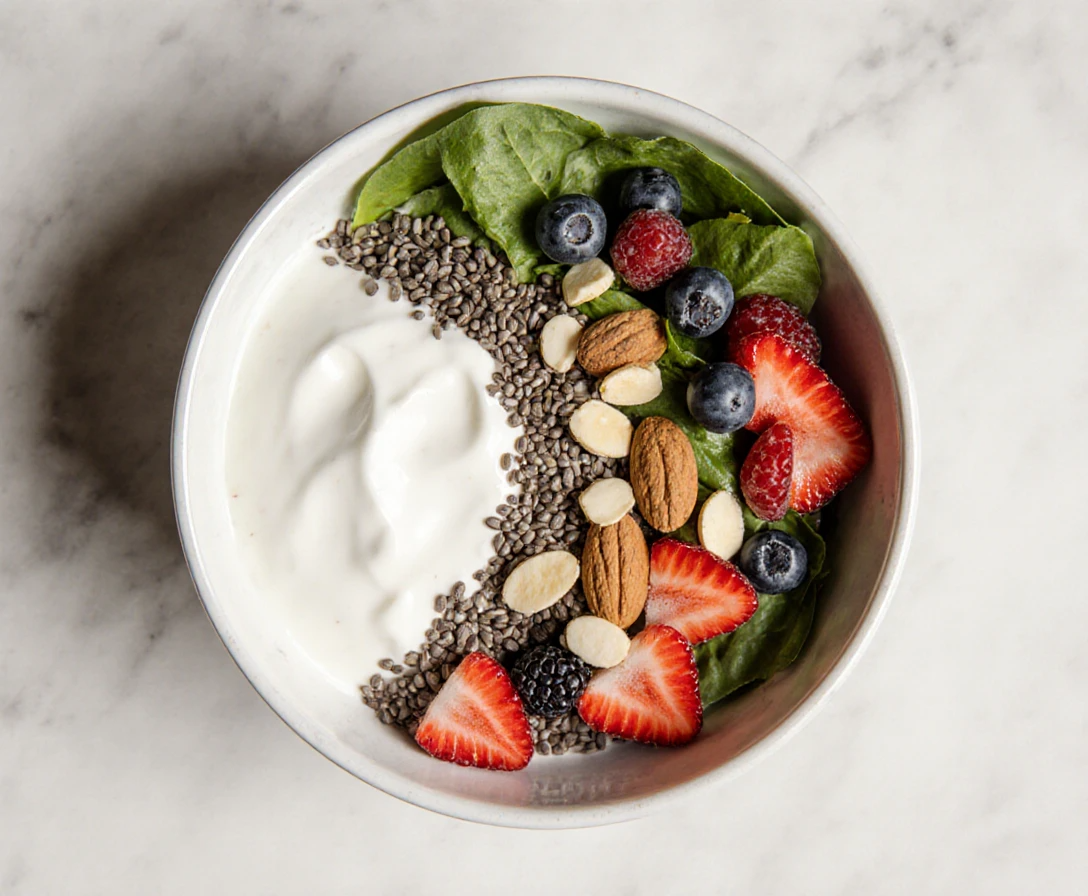
Breakfast: Smoothie with Greek yogurt, spinach, chia seeds, berries, and fortified almond milk. Total bone-supporting nutrients: calcium, vitamin D, vitamin K, magnesium, protein.
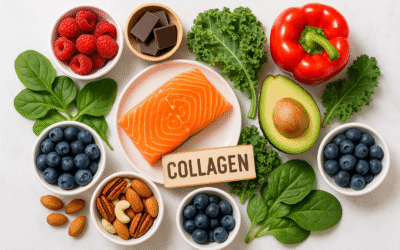
Lunch: Sardine and avocado toast on whole grain bread with a side of orange slices. Bonus: vitamin C from oranges helps collagen production for bone structure.
Dinner: Baked salmon with roasted Brussels sprouts and quinoa, sprinkled with sesame seeds. This single plate delivers calcium, vitamin D, vitamin K2, protein, and magnesium.
Snack: Almonds and dried figs or a small piece of aged cheddar with apple slices.
The Lifestyle Factor
Bone health nutrition for women works exponentially better when paired with weight-bearing exercise. Walking, dancing, tennis, strength training—activities where you’re working against gravity stimulate bone formation. Aim for 30 minutes most days.
And here’s something crucial: stress management matters. Chronic stress elevates cortisol, which breaks down bone. Your meditation practice, therapy sessions, or evening yoga? They’re bone medicine too.
Supplements: When and What
Food should be your foundation, but strategic supplementation helps many women meet their needs:
Consider a calcium citrate supplement (better absorbed than calcium carbonate, especially if you’re on acid-reducing medications) if you’re not getting 1,000-1,200 mg from food. Take it in divided doses with meals.
A vitamin D3 supplement (1,000-2,000 IU daily) works for most women, but test to personalize your dose.
Magnesium glycinate (200-400 mg) helps if dietary sources fall short—and won’t cause the digestive upset other forms trigger.
Skip the megadoses and fancy bone formulas with 30 ingredients. More isn’t better, and some nutrients compete for absorption.
Your Bone Health Action Plan
Here’s your takeaway strategy for powerful bone health nutrition as a woman over 35:
Start your morning with a calcium-rich breakfast, ensuring vitamin D comes along for the ride. Build lunch and dinner around protein sources, adding leafy greens and colorful vegetables. Snack on nuts, seeds, or dairy. Move your body with weight-bearing activities. Limit bone-sabotaging foods. Test your vitamin D levels annually. Consider strategic supplementation based on your individual needs.
Your bones are literally supporting everything you do—from chasing kids or grandkids to crushing work projects to traveling the world. They deserve the same attention you give your skin, hair, and waistline. The beautiful truth? The foods that build stronger bones also boost energy, improve mood, support heart health, and help maintain a healthy weight.
So yes, you’re over 35, and yes, your bones need more attention now. But with the right bone health nutrition strategies, you’re not just preventing fractures—you’re investing in decades of strength, independence, and vitality. Your 75-year-old self, hiking mountains or dancing at weddings, will be incredibly grateful you started today.
Now, go add some sardines to your shopping list. Your skeleton will thank you.