Let’s be honest, ladies – by the time we hit 35, our bodies start sending us some pretty clear messages. Maybe it’s that afternoon energy crash that hits harder than a Monday morning alarm, or perhaps your digestive system has become as unpredictable as British weather. If you’ve been scrolling through health articles trying to decode the mystery of probiotics vs prebiotics, you’re definitely not alone in this confusion!
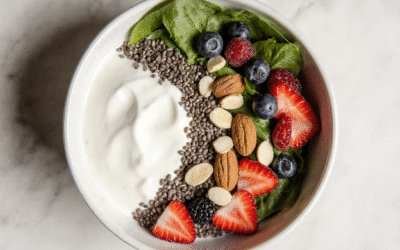
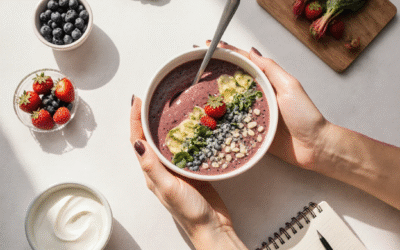
Featured Image Suggestion: A vibrant, modern illustration showing a smiling woman in her late 30s holding a colorful smoothie bowl topped with berries and yogurt, with animated gut bacteria characters dancing around her. The background features subtle botanical elements. Alt Text: “Happy woman over 35 enjoying probiotic-rich foods for gut health” Positioning: Below H1, centered
What Exactly Are We Dealing With Here?
Think of your gut as the world’s most exclusive nightclub, and probiotics vs prebiotics are like the VIP guests and the party planners. Understanding this difference isn’t just another wellness trend to add to your already overwhelming to-do list – it’s actually crucial for navigating the unique health challenges that come with being a fabulous woman over 35.
Your gut microbiome (that’s the fancy term for the trillions of bacteria living in your digestive system) starts changing significantly in your mid-thirties. Hormonal fluctuations, increased stress levels, and let’s face it, years of questionable dietary choices during our twenties, all contribute to an imbalanced gut ecosystem.
The Great Probiotic Mystery Solved
Probiotics are the actual live bacteria – the good guys that move into your gut and start working their magic. Think of them as your personal health squad, ready to fight off the bad bacteria and support your immune system. These microscopic superheroes come in various strains, each with their own special powers.
The most common probiotic strains you’ll encounter include Lactobacillus and Bifidobacterium. Lactobacillus is particularly brilliant for women’s health, especially when it comes to maintaining vaginal health and supporting urinary tract function – something many of us become increasingly concerned about as we age.
Prebiotics: The Unsung Heroes of Gut Health
Now, if probiotics are the superheroes, then prebiotics are like their personal trainers and nutritionists rolled into one. Prebiotics are essentially food for your good bacteria – specialized fiber that your human digestive system can’t break down, but your beneficial bacteria absolutely love.
Here’s where it gets interesting: you can have all the probiotics in the world, but without prebiotics to feed them, they’re like having a Ferrari without fuel. Prebiotics help your existing good bacteria thrive and multiply, creating a more robust and diverse gut microbiome.
The beauty of prebiotics lies in their simplicity. They’re found in everyday foods like garlic, onions, bananas, asparagus, and oats. So while you’re adding these to your grocery list, you’re essentially meal prepping for your microscopic residents.
The Hormonal Connection: Why This Matters More After 35
Let’s talk about the elephant in the room – perimenopause and menopause. As our estrogen levels start their roller coaster ride, our gut health becomes even more critical. Research shows that gut bacteria can actually influence estrogen metabolism, which means a healthy gut might help ease some of those hormonal transitions we’re all dreading (or already experiencing).
The probiotics vs prebiotics debate becomes particularly relevant here because certain probiotic strains can help metabolize estrogen more effectively, potentially reducing symptoms like bloating, mood swings, and that stubborn belly fat that seems to appear overnight.
Additional Image 2 Suggestion: A calming illustration of a woman in yoga pose with a subtle digestive system overlay showing healthy bacteria, surrounded by hormone-balancing foods. Alt Text: “Woman practicing wellness with hormone-balancing foods and healthy gut bacteria” Positioning: Center of the hormonal section
Probiotics vs Prebiotics: The Practical Differences
| Aspect | Probiotics | Prebiotics |
| What they are | Live beneficial bacteria | Food for beneficial bacteria |
| How they work | Colonize your gut directly | Feed existing good bacteria |
| Food sources | Fermented foods, supplements | Fiber-rich fruits, vegetables |
| Stability | Can be fragile, need proper storage | Generally stable at room temperature |
| Best time to take | Often recommended on empty stomach | Can be consumed anytime |
Your Daily Gut Health Game Plan
Instead of choosing sides in the probiotics vs prebiotics debate, the smartest approach is to embrace both. Think of it as creating the perfect ecosystem in your gut – you need the residents (probiotics) and the food to keep them happy (prebiotics).
Start your morning with a prebiotic-rich breakfast: oatmeal topped with sliced banana and a handful of berries. For lunch, include fermented foods like sauerkraut or kimchi in your salad. Evening calls for a probiotic-rich yogurt with some prebiotic fiber from chia seeds.
The Science Behind the Magic
Recent studies have shown that the relationship between probiotics vs prebiotics is more like a beautiful dance than a competition. When consumed together (called synbiotics), they create a synergistic effect that’s more powerful than either alone.
For women over 35, this combination has been linked to improved immune function, better mood regulation, enhanced skin health, and yes – more predictable digestive patterns. Some research even suggests that a balanced gut microbiome might help with weight management, which becomes increasingly challenging as our metabolism naturally slows down.
Additional Image 3 Suggestion: A split-screen comparison showing a sad, depleted gut microbiome on one side and a thriving, diverse gut microbiome on the other. Alt Text: “Comparison of unhealthy versus healthy gut microbiome diversity” Positioning: Within the science section, right-aligned
Common Mistakes That Are Sabotaging Your Efforts
The biggest mistake in the probiotics vs prebiotics journey? Going too hard, too fast. Your gut is like that friend who needs gentle encouragement rather than a complete life makeover overnight. Suddenly introducing massive amounts of fermented foods or fiber can lead to bloating, gas, and general digestive chaos.
Start slowly. Add one new prebiotic food per week, and if you’re considering probiotic supplements, begin with a lower CFU (colony-forming unit) count and gradually increase. Your gut will thank you for the patience.
Another common pitfall is expecting instant results. Unlike that satisfying immediate effect of a good skincare routine, gut health improvements typically take 2-4 weeks to become noticeable. Trust the process, and remember that you’re investing in long-term health benefits.
Creating Your Personal Gut Health Strategy
The truth about probiotics vs prebiotics is that your optimal combination is as individual as your Netflix preferences. Factors like your current health status, medications, stress levels, and even where you live can influence what works best for you.
Keep a simple gut health journal for a few weeks. Note what you eat, how you feel, your energy levels, and digestive patterns. This isn’t about becoming obsessed with every bodily function – it’s about understanding your unique patterns and what makes you feel your absolute best.
Consider consulting with a healthcare provider, especially if you’re dealing with specific health concerns or taking medications that might interact with probiotic supplements.
The Bottom Line: Your Gut Health Action Plan
The probiotics vs prebiotics debate doesn’t have to be an either-or situation. Your gut thrives on diversity – both in the types of beneficial bacteria and the foods that nourish them. As women over 35, we have the wisdom to know that sustainable health changes happen gradually, not overnight.
Start where you are, use what you have, and do what you can. Whether that’s adding a serving of Greek yogurt to your breakfast or incorporating more fiber-rich vegetables into your meals, every small step contributes to a healthier, happier gut.
Remember, investing in your gut health isn’t just about digestion – it’s about supporting your immune system, potentially easing hormonal transitions, and giving yourself the energy to thrive in this incredible phase of life. Because let’s face it, being a woman over 35 is pretty amazing when you feel good from the inside out.
Your gut is your second brain, your immune system headquarters, and your body’s communication center all rolled into one. Treat it with the respect it deserves, and it’ll support you through all the adventures that lie ahead.
The Unexpected: The Great Probiotic Pet Conspiracy
Here’s something wildly unexpected that’ll blow your mind: Scientists recently discovered that our beloved pets might actually be secret probiotic matchmakers! Research emerging from veterinary microbiome studies suggests that households with dogs have more diverse gut bacteria than those without – and it’s not just because Rover occasionally shares his slobbery tennis ball.
It turns out that dogs act like living, breathing probiotic delivery systems, carrying beneficial bacteria from the great outdoors directly into our homes. Every time Fido tracks in mud, rolls in grass, or gives you that enthusiastic face-licking wake-up call, he’s potentially introducing beneficial microbes that your gut has never encountered before.
But here’s where it gets really wild: cats, those mysterious feline overlords, appear to specialize in a completely different type of microbial matchmaking. Their hunting instincts and grooming behaviors create a unique bacterial ecosystem in homes that may actually enhance our prebiotic fiber utilization. Some researchers theorize that the stress-reducing effects of cat purring might even optimize our digestive system’s ability to process prebiotics!
The most unexpected twist? Households with both cats AND dogs show the most robust and diverse human gut microbiomes, suggesting that our furry companions might have been secretly orchestrating the ultimate probiotics vs prebiotics synergy all along. Who knew that the real gut health experts have been sleeping in our beds and stealing our socks this whole time!
This emerging field, dubbed “companion animal microbiome therapy,” is leading some forward-thinking wellness centers to consider “probiotic pet cafés” where people can improve their gut health simply by playing with specially selected, microbiome-optimized rescue animals. The future of gut health might just be a belly rub away!