You’re doing everything “right”—eating your greens, hitting the gym, getting your beauty sleep—yet something feels… off. Maybe your energy crashes harder than your teenager’s mood swings, or your hair seems to be staging a mass exodus from your scalp. Before you blame it on just “getting older” (we reject that narrative, by the way), your body might be sending you an SOS about micronutrient deficiency signs you shouldn’t ignore.
Here’s the thing about micronutrient deficiency signs: they’re sneaky. They don’t show up like a broken bone or a screaming headache. Instead, they whisper through subtle symptoms that are easy to dismiss as stress, aging, or just “life happening.” But for women over 35, recognizing these signs early can be the difference between thriving and merely surviving.
What Are Micronutrients, Anyway? (The Quick Science Bit)
Think of micronutrients as the backstage crew of your body’s concert. While macronutrients (proteins, carbs, and fats) are the headliners getting all the attention, micronutrients—vitamins and minerals—are working behind the scenes making sure everything runs smoothly. We’re talking about the big players: iron, vitamin D, B vitamins, magnesium, zinc, and more.
The tricky part? Your body needs these in relatively small amounts, but their absence creates massive problems. And here’s where it gets interesting for us mid-life goddesses: our absorption of these nutrients changes as we age, our dietary needs shift, and life factors like stress and hormonal changes can drain our reserves faster than a toddler drains your patience.
The Warning Signs Your Body Is Waving Red Flags
1. Your Hair Is Having a Breakdown (And Not Just on Bad Hair Days)
If your hairbrush looks like it’s auditioning for a horror movie and your once-lush locks now feel more “straw” than “silk,” you might be running low on iron, zinc, or biotin. Iron deficiency is particularly common in women over 35, especially those with heavy periods or approaching menopause. Your hair follicles are oxygen-hungry little things, and without enough iron to transport oxygen through your blood, they simply give up and fall out.
Kismet: Here’s something wild—your fingernails can actually grow tiny vertical ridges that act like a barcode of your nutritional history. Each ridge can represent a period of zinc or protein deficiency, creating a timeline of stress or poor nutrition over the past 6-12 months. Your nails are literally keeping receipts of your wellness journey!
2. You’re Tired… Like, Seriously Exhausted
Yes, we’re all tired (because who isn’t juggling seventeen things at once?), but we’re talking about that bone-deep exhaustion where caffeine doesn’t even touch the sides. This could signal iron deficiency anemia, low B12, or insufficient vitamin D. B vitamins are crucial for converting food into energy, so when you’re running low, your body’s power plant basically goes on strike.
Women over 35 are particularly vulnerable to B12 deficiency because our stomach acid production decreases with age, making it harder to extract B12 from food. Add in any medications like PPIs or metformin, and your B12 levels can plummet faster than your tolerance for nonsense.
3. Your Mood Swings Could Give a Pendulum Whiplash
If you find yourself crying at dog food commercials (more than usual) or feeling irritable enough to start arguments with inanimate objects, low magnesium, vitamin D, or omega-3 fatty acids might be the culprits. Magnesium is often called the “relaxation mineral,” and deficiency is linked to anxiety, depression, and mood disorders.
Here’s a fun fact: about 50% of women don’t get enough magnesium from their diet, and chronic stress depletes it even further. It’s a vicious cycle—stress drains magnesium, low magnesium makes you more susceptible to stress.
4. Your Immune System Has Checked Out
Catching every cold that goes around the office? Vitamin C, D, and zinc deficiencies could be leaving your immune system defenseless. Vitamin D, in particular, is crucial for immune function, and deficiency is epidemic-level common, especially in the UK and northern US states where sunshine is more myth than reality for half the year.

The Sneakier Signs That Often Get Missed
5. Restless Legs Syndrome (AKA The Midnight Dance Party)
If your legs seem to have a mind of their own at night, doing an involuntary cha-cha when you’re trying to sleep, iron deficiency might be the DJ at this unwanted party. Restless legs syndrome is strongly associated with low iron levels, and it’s surprisingly common in women as we age.
6. Cracks at the Corners of Your Mouth
Those annoying little splits at the corners of your mouth (angular cheilitis) aren’t just from winter weather—they’re often a sign of iron, zinc, or B vitamin deficiencies. These micronutrient deficiency signs are your body’s way of saying it doesn’t have enough resources to maintain healthy skin and mucous membranes.
7. Brain Fog That Won’t Lift
Walking into rooms and forgetting why you’re there isn’t just “mom brain” or age—it could be your body crying out for B vitamins, omega-3s, or iron. These nutrients are essential for cognitive function, and deficiencies can make you feel like you’re thinking through molasses.
8. Muscle Cramps and Spasms
If your calves seize up like they’re trying to win a cramping competition, you might be low in magnesium, potassium, or calcium. These electrolytes are crucial for muscle function, and without them, your muscles go haywire—especially at night when you’re trying to sleep.
Why Women Over 35 Are Particularly Vulnerable
Let’s talk about why we’re in the micronutrient deficiency danger zone. First, perimenopause and menopause bring hormonal changes that affect nutrient absorption. Estrogen decline impacts how we metabolize and store nutrients, particularly B vitamins and magnesium.
Second, if you’ve had children, pregnancy and breastfeeding are basically nutrient-depleting marathons. Your body gave and gave, and if you didn’t properly replenish, you might still be playing catch-up years later.
Third, the standard Western diet—even when we think we’re eating “healthy”—often falls short on key micronutrients. Soil depletion means our food contains fewer minerals than it did 50 years ago, and food processing strips away even more nutrients.
What to Do If You Suspect Micronutrient Deficiency Signs
First things first—don’t self-diagnose and start popping pills like they’re Smarties. Too much of certain vitamins and minerals can be just as problematic as too little. Your first step should be booking an appointment with your GP or healthcare provider for proper testing.
Ask specifically for a comprehensive micronutrient panel that includes:
- Complete blood count (for iron deficiency anemia)
- Vitamin D levels (25-hydroxyvitamin D)
- B12 and folate
- Magnesium (ask for RBC magnesium, not just serum)
- Zinc
- Ferritin (iron stores)
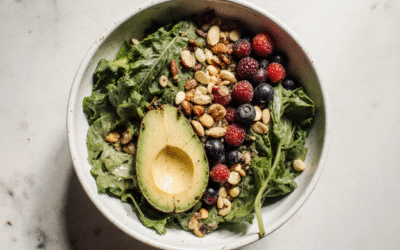
While you’re waiting for that appointment, focus on eating a rainbow of whole foods. Dark leafy greens, fatty fish, nuts, seeds, colorful fruits and vegetables, and quality proteins should be your foundation. Think of your plate as a canvas—the more colors, the better the nutrient profile.
The Bottom Line on Micronutrient Deficiency Signs
Your body is incredibly intelligent and constantly communicating with you. Those seemingly random symptoms—the fatigue, the hair loss, the mood swings, the muscle cramps—aren’t just inconveniences to push through. They’re micronutrient deficiency signs that deserve your attention.
The good news? Once you identify and address deficiencies, the improvements can be remarkable. Women often report feeling like a fog has lifted, like they’ve gotten their energy and their selves back. It’s not about perfection; it’s about giving your body the tools it needs to function optimally.
So pay attention to those whispers before they become screams. Your body is wise, and it’s trying to help you. Listen to it, nourish it, and don’t dismiss your symptoms as “just getting older.” You deserve to feel vibrant, energized, and healthy at every age.
Now if you’ll excuse me, I’m off to make a magnesium-rich smoothie and give my fingernails a stern talking-to about keeping better nutritional records.