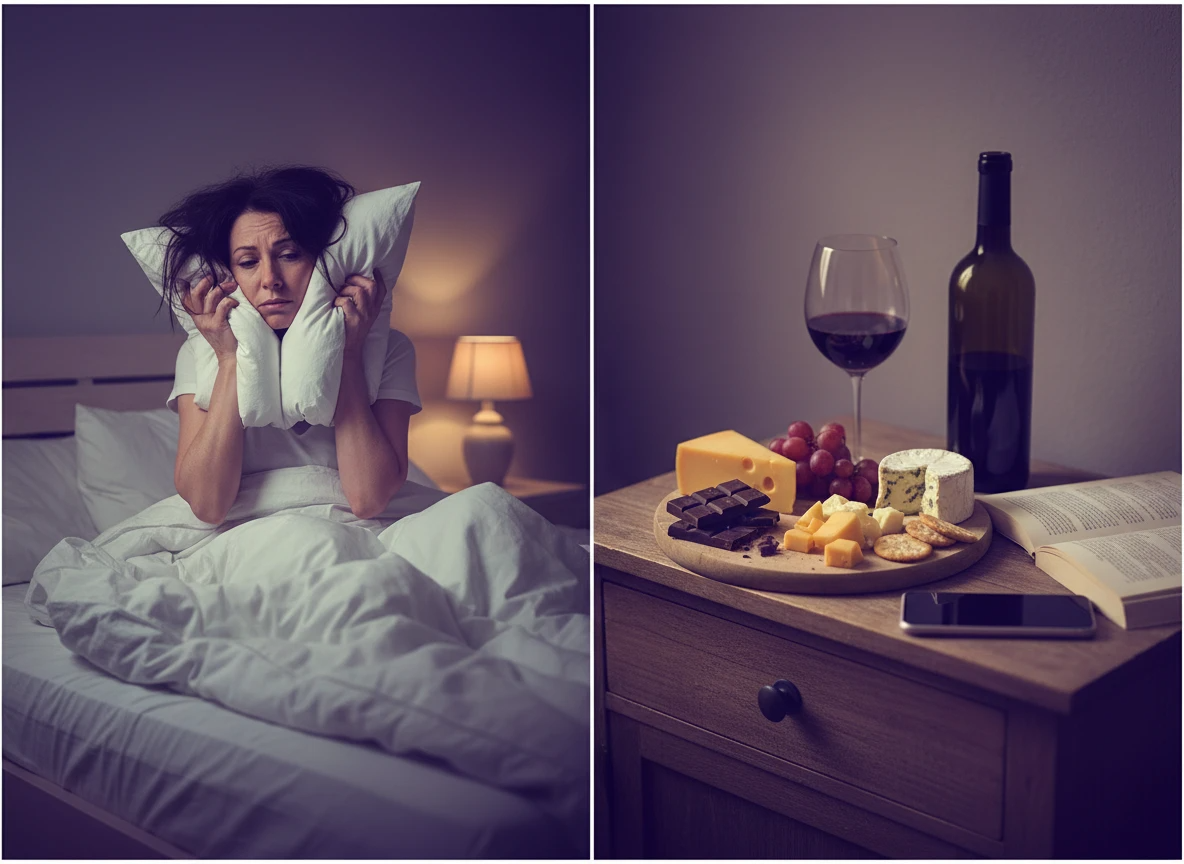
You’ve dimmed the lights, put your phone on Do Not Disturb, and invested in those expensive blackout curtains. Yet here you are at 2 AM, staring at the ceiling while your mind races through tomorrow’s to-do list. Before you blame stress or perimenopause (though they’re certainly not helping), let’s talk about the real culprit: those seemingly innocent evening foods that ruin sleep.
If you’re a woman over 35, you’ve probably noticed that your body doesn’t bounce back the way it used to. That glass of wine that once helped you unwind? Now it has you wide awake at 3 AM. The truth is, our relationship with food and sleep changes as we age, and what we eat in the evening has a more profound impact than ever before.
Why Evening Foods Matter More After 35
As women enter their late thirties and beyond, hormonal shifts begin affecting everything from metabolism to sleep patterns. Declining estrogen levels can already disrupt your circadian rhythm, and certain evening foods that ruin sleep compound this problem by interfering with melatonin production, spiking blood sugar, or triggering acid reflux.
Your digestive system also slows down with age, meaning that heavy meal at 8 PM sits in your stomach far longer than it would have a decade ago. This isn’t about depriving yourself – it’s about being strategic with your choices so you can actually enjoy the restorative sleep your body desperately needs.
The Sneaky Sleep Saboteurs Hiding in Your Kitchen
Dark Chocolate: The Bittersweet Betrayal
We need to talk about your nightly chocolate habit. That square (or three) of 70% dark chocolate you’ve convinced yourself is a health food? It’s loaded with caffeine and theobromine, both stimulants that can keep you wired for hours.
Kismet: Here’s something that might surprise you – dark chocolate can contain nearly as much caffeine as a shot of espresso, with some varieties packing up to 80mg per 100g. But here’s the real kicker: theobromine, the other stimulant in chocolate, has a half-life of 7-12 hours in your body. This means if you eat dark chocolate at 7 PM, half of that stimulant is still coursing through your system at 2 AM. Even more fascinating, research shows that women metabolize theobromine more slowly than men, making us particularly vulnerable to its sleep-disrupting effects.
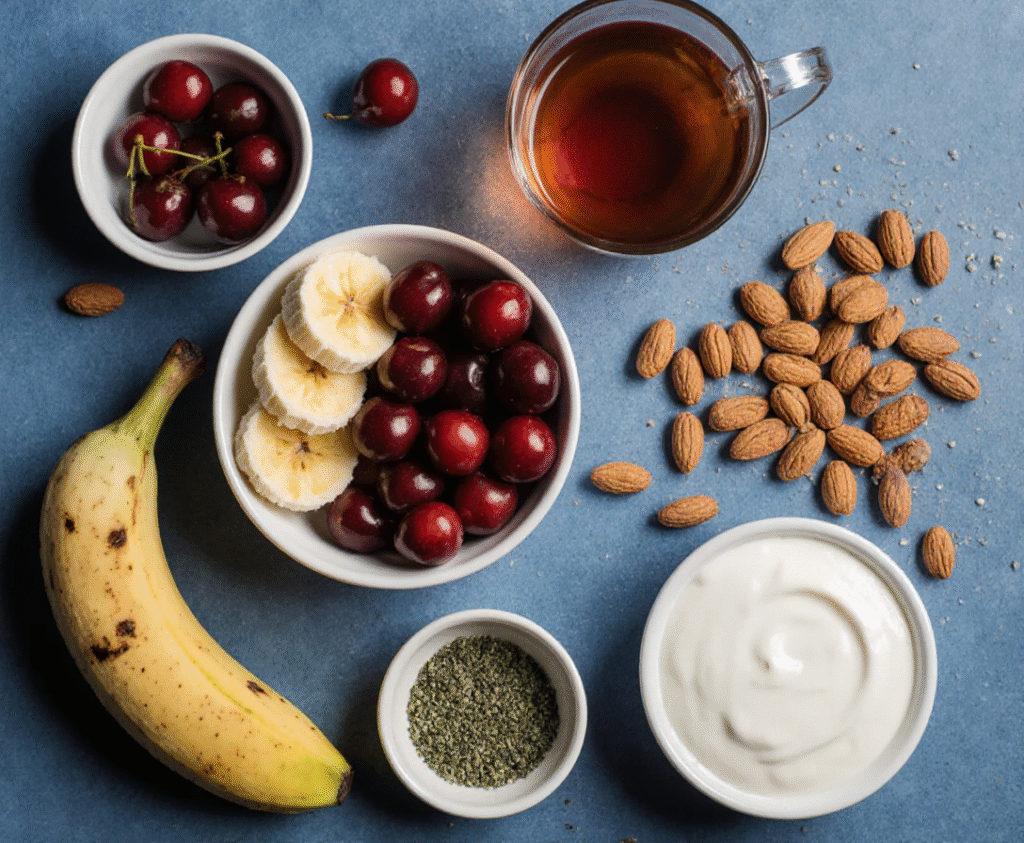
Better alternative: If you’re craving something sweet, try a small bowl of tart cherries or a banana. Both naturally support melatonin production.
Aged Cheese: The Tyramine Troublemaker
That cheese board you assembled for a cozy evening? It’s essentially a sleep-wrecking party platter. Aged cheeses like cheddar, parmesan, and blue cheese contain high levels of tyramine, an amino acid that triggers the release of norepinephrine – a brain stimulant that increases alertness.
The older and more delicious the cheese, the higher the tyramine content. Combined with wine (which we’ll get to), you’re creating a perfect storm of wakefulness.
Better alternative: If you need a protein-rich evening snack, opt for cottage cheese or Greek yogurt, which contain sleep-promoting tryptophan instead.
Spicy Foods: The Midnight Fire Alarm
Love ending your day with Thai curry or spicy tacos? Your taste buds might be thrilled, but your body temperature regulation system is in chaos. Spicy foods raise your core body temperature, which is the opposite of what your body needs to initiate sleep. Your temperature naturally drops in the evening to signal bedtime, and capsaicin throws this delicate process into disarray.
Plus, spicy evening foods that ruin sleep often trigger acid reflux, especially when you lie down. Nothing says “goodbye, peaceful slumber” like heartburn at midnight.
Better alternative: Save the heat for lunch and opt for mild, warm comfort foods in the evening like soup with gentle herbs.
The Wine Paradox: Why Your Nightcap Is a Sleep Thief
This one breaks hearts, but it needs to be said: that glass (or two) of wine isn’t helping you sleep better – it’s just making you pass out faster. There’s a significant difference.
Alcohol might help you fall asleep initially, but it severely disrupts your REM sleep – the restorative stage where memory consolidation and emotional processing occur. As your body metabolizes the alcohol in the middle of the night, you experience a “rebound effect” that jolts you awake, often accompanied by anxiety, dehydration, and that fun 3 AM existential crisis.
For women over 35, this effect is amplified. We metabolize alcohol more slowly, and hormonal changes make us more sensitive to its sleep-disrupting properties.
Better alternative: Try herbal teas like chamomile, passionflower, or magnolia bark tea. They provide the ritual and relaxation without the sleep sabotage.
High-Protein Dinners: The Digestion Dilemma
That giant ribeye steak or protein-packed bowl you’re proud of eating? While protein is essential for your health, a heavy protein load in the evening demands significant digestive effort. Your body has to work overtime to break down complex proteins, keeping your metabolism revved up when it should be winding down.
High-protein meals also increase your body’s production of dopamine and tyrosine, both of which promote alertness rather than sleepiness.
Better alternative: Balance your dinner with complex carbohydrates that promote serotonin production, like sweet potato, quinoa, or whole grain pasta alongside moderate protein portions.
Cruciferous Vegetables: The Bloat That Keeps You Awake
Broccoli, cauliflower, and Brussels sprouts are nutritional powerhouses – just not at 8 PM. These vegetables contain raffinose, a complex sugar that your body struggles to digest, leading to gas, bloating, and discomfort that can keep you tossing and turning.
Nobody wants to choose between nutrition and sleep, but timing matters with these veggies.
Better alternative: Enjoy cruciferous vegetables at lunch, and opt for easily digestible cooked vegetables like zucchini, carrots, or leafy greens in the evening.
Tomato-Based Foods: The Acid Reflux Trigger
Marinara sauce, salsa, ketchup – if it’s red and delicious, it probably contains tomatoes. While nutritious, tomatoes are highly acidic and can trigger heartburn, especially when you lie down. The sphincter between your stomach and esophagus relaxes at night, making reflux more likely with acidic evening foods that ruin sleep.
Better alternative: Choose cream-based or oil-based sauces in the evening, and save tomato dishes for earlier in the day.
Sugary Desserts: The Blood Sugar Rollercoaster
That late-night ice cream or cookies might taste like a reward, but they’re programming you for disaster. Refined sugars cause rapid blood sugar spikes followed by crashes. When your blood sugar plummets in the middle of the night, your body releases cortisol and adrenaline to stabilize it – stress hormones that jolt you awake.
For women dealing with hormonal changes, this blood sugar instability can also trigger night sweats and hot flashes.
Better alternative: If you need something sweet, try dates stuffed with almond butter or a small serving of berries with a dollop of coconut cream.
Creating Your Sleep-Friendly Evening Routine
Understanding which evening foods that ruin sleep is half the battle. Here’s how to restructure your evening eating for optimal rest:
The 3-Hour Rule: Stop eating at least three hours before bed. This gives your body adequate time to digest and your blood sugar time to stabilize.
Front-Load Your Day: Make breakfast and lunch your substantial meals. Your metabolism is more efficient earlier in the day anyway.
Smart Evening Snacks: If you need something after dinner, choose sleep-promoting options like a small handful of almonds, half a banana, or herbal tea with honey.
Hydration Strategy: Drink plenty of water throughout the day, but taper off after 7 PM to avoid midnight bathroom trips.
The 7-Day Sleep Reset Challenge
Ready to transform your sleep? Try this week-long reset:
Days 1-2: Eliminate caffeine after 2 PM (yes, including that dark chocolate).
Days 3-4: Cut out alcohol and assess the difference in your sleep quality.
Days 5-6: Shift your dinner time earlier and make it lighter.
Day 7: Evaluate your energy levels, mood, and sleep quality.
Most women report significant improvements by day four, with deeper sleep, fewer wake-ups, and better morning energy.
Listen to Your Body’s Wisdom
Every woman’s body responds differently to foods, and hormonal changes make this even more individualized. Keep a simple sleep journal noting what you eat after 5 PM and how you sleep. Patterns will emerge, revealing your personal sleep saboteurs.
Remember, the goal isn’t perfection or deprivation. It’s about making informed choices that honor your body’s needs. Some nights, you’ll have the spicy pasta or the wine – and that’s okay. But on the nights when quality sleep is non-negotiable, you now have the knowledge to set yourself up for success.
Your body is working hard to navigate hormonal shifts, stress, and the demands of daily life. The least you can do is stop sabotaging it with evening foods that ruin sleep. Give yourself the gift of knowing which foods support your rest and which ones wage war against it.
Sweet dreams begin with smart choices. Your well-rested future self will thank you.