Let’s be honest—nobody warned us that our 30s, 40s, and 50s would come with a side of emotional whiplash. One minute you’re crushing your presentation at work, the next you’re crying over a dog food commercial. Welcome to the hormonal rollercoaster that is womanhood!
But here’s the good news: while we can’t completely escape the biological reality of hormonal fluctuations, we can absolutely support our mood through strategic nutrition. The right mood-supporting nutrients for women can make a remarkable difference in how we feel day-to-day. Think of food as your secret weapon against the blues, the irritabilities, and those “I just can’t even today” moments.
Why Your Mood Needs Extra Support Now
As women move through their 30s, 40s, and 50s, our bodies undergo significant hormonal transitions. Perimenopause typically begins in the 40s (though it can start in the late 30s), estrogen and progesterone levels start their unpredictable dance, and suddenly our once-stable moods are all over the map.
These hormonal shifts don’t just affect our reproductive system—they directly impact neurotransmitter production, stress hormone regulation, and inflammation levels in the brain. Translation? Your mood swings aren’t “all in your head.” They’re biochemical, and nutrition plays a starring role in supporting your emotional equilibrium.
Kismet: Here’s something fascinating that most women don’t know: your gut produces about 95% of your body’s serotonin—the “happy hormone.” That’s right, your digestive system is essentially your second brain, which means that supporting your gut health with the right nutrients might be even more important for your mood than you ever imagined. This gut-brain connection explains why digestive issues and mood problems often occur together, and why healing one can dramatically improve the other.
The Essential Mood-Supporting Nutrients for Women
Omega-3 Fatty Acids: Your Brain’s Best Friend
If mood-supporting nutrients for women had a MVP, omega-3 fatty acids would be a top contender. These essential fats are critical for brain health and have been extensively studied for their role in emotional wellbeing.
Research shows that omega-3s, particularly EPA and DHA, help reduce inflammation in the brain, support neurotransmitter function, and may even help alleviate symptoms of depression and anxiety. Women in their 40s and 50s who consume adequate omega-3s often report more stable moods and better cognitive function.
Best Sources: Wild-caught salmon, sardines, mackerel, walnuts, flaxseeds, chia seeds, and algae-based supplements for our plant-based friends.
How Much? Aim for at least two servings of fatty fish weekly or consider a high-quality omega-3 supplement with 1,000-2,000mg combined EPA/DHA daily.
Vitamin D: The Sunshine Hormone
Vitamin D deficiency is incredibly common in women over 35, and it’s directly linked to mood disorders. This nutrient functions more like a hormone in your body, influencing everything from immune function to neurotransmitter production.
Low vitamin D levels are associated with increased risk of depression, particularly in women going through hormonal transitions. If you’re experiencing unexplained low mood, fatigue, or irritability, checking your vitamin D levels should be on your to-do list.
Best Sources: Sunlight exposure (15-20 minutes daily), fatty fish, egg yolks, fortified dairy or plant milks, and mushrooms exposed to UV light.
How Much? Most women need 1,000-2,000 IU daily, but some require more. Get your levels tested and work with your healthcare provider to optimize them.
B Vitamins: The Stress-Busting Squad
The B-vitamin family—particularly B6, B9 (folate), and B12—are crucial mood-supporting nutrients for women dealing with hormonal changes. These vitamins are essential for producing neurotransmitters like serotonin, dopamine, and GABA, which regulate mood, motivation, and relaxation.
Vitamin B6 is especially important for women experiencing PMS or perimenopausal symptoms, as it helps the body process estrogen and supports the production of mood-regulating brain chemicals. B12 deficiency becomes more common as we age and can manifest as depression, brain fog, and fatigue.
Best Sources: Leafy greens, legumes, eggs, poultry, fish, nutritional yeast, and whole grains. B12 is found primarily in animal products, so vegetarians and vegans should consider supplementation.
How Much? A good B-complex supplement can help ensure you’re getting adequate amounts of all the B vitamins. Look for methylated forms for better absorption.
Magnesium: Nature’s Chill Pill
If you’re dealing with anxiety, insomnia, or irritability, you might be among the estimated 50% of women who are deficient in magnesium. This mineral is involved in over 300 biochemical reactions in your body, including those that regulate your stress response and mood.
Magnesium helps calm the nervous system, supports healthy sleep, and works synergistically with B vitamins to produce mood-regulating neurotransmitters. It’s particularly helpful for women experiencing anxiety, tension headaches, or muscle cramps alongside mood disturbances.
Best Sources: Dark leafy greens, pumpkin seeds, almonds, dark chocolate (yes, really!), black beans, and avocados.
How Much? Most women need 310-420mg daily. Magnesium glycinate is the most absorbable form and less likely to cause digestive upset.
Iron: Energy and Emotional Stability
Iron deficiency is one of the most common nutritional deficiencies in women of childbearing age and can significantly impact mood and energy levels. Even before you develop full-blown anemia, low iron stores can cause fatigue, brain fog, irritability, and depression.
Women with heavy periods or those approaching menopause are particularly at risk. The connection between iron and mood is strong—your brain needs iron to produce neurotransmitters and maintain healthy oxygen levels.
Best Sources: Red meat, poultry, fish, lentils, spinach, quinoa, and pumpkin seeds. Pair plant-based iron sources with vitamin C for better absorption.
How Much? Women aged 19-50 need 18mg daily; after 50, the requirement drops to 8mg. Get your ferritin levels checked before supplementing, as too much iron can be problematic.
Zinc: The Mood Mineral You’re Probably Ignoring
Zinc doesn’t get as much attention as other mood-supporting nutrients for women, but it should. This trace mineral plays a crucial role in neurotransmitter function, particularly in regulating your body’s stress response. Studies have shown that zinc supplementation can be beneficial for managing symptoms of depression and anxiety.
Zinc levels naturally decline as we age, and chronic stress depletes our zinc stores even faster. If you’re dealing with ongoing stress, your mood might benefit from ensuring adequate zinc intake.
Best Sources: Oysters (the absolute richest source), beef, pumpkin seeds, cashews, chickpeas, and dark chocolate.
How Much? Women need about 8mg daily. Don’t exceed 40mg from supplements without medical supervision, as too much zinc can interfere with copper absorption.
Putting It All Together: Your Mood-Supporting Meal Plan
Understanding which nutrients support your mood is one thing; actually getting them into your diet is another. Here’s how to make it realistic and delicious:
Breakfast Power Move: Start your day with a spinach and mushroom omelet (B vitamins, vitamin D, iron) topped with pumpkin seeds (magnesium, zinc), or try Greek yogurt with walnuts and berries.
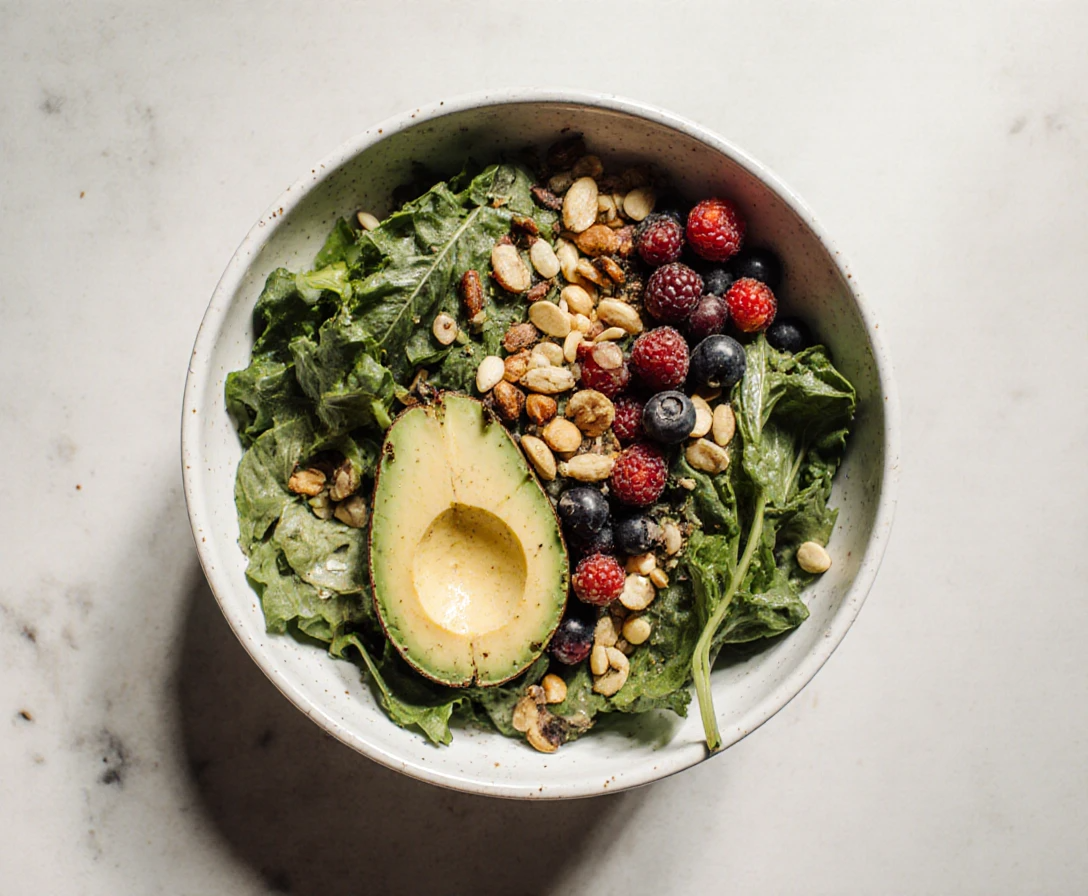
Lunch Winner: A salmon salad with dark leafy greens, avocado, and a lemon-tahini dressing hits multiple nutrient targets—omega-3s, magnesium, B vitamins, and healthy fats.
Dinner Delight: Grilled chicken or tempeh with roasted sweet potatoes and a side of sautéed kale with garlic delivers B vitamins, iron, and magnesium in one satisfying meal.
Snack Smart: Dark chocolate squares with almonds, or hummus with colorful veggie sticks give you those mood-boosting minerals throughout the day.
Beyond Food: The Lifestyle Connection
While mood-supporting nutrients for women are crucial, they work best as part of a holistic approach. Regular movement, quality sleep, stress management, and social connection all interact with your nutritional status to influence your mood.
Consider keeping a mood-food journal for a few weeks. Note what you eat and how you feel throughout the day. You might discover patterns—like feeling more anxious on days when you skip breakfast, or more energized when you prioritize protein and healthy fats.
When to Seek Professional Help
Sometimes, despite our best nutritional efforts, we need additional support. If you’re experiencing persistent low mood, anxiety, or emotional symptoms that interfere with your daily life, please reach out to a healthcare provider. Nutrition is powerful medicine, but it’s not the only tool in the toolbox.
A functional medicine practitioner or integrative doctor can help you identify specific deficiencies through testing and create a personalized supplement protocol if needed. Mental health professionals can provide therapy and, when appropriate, medication that works alongside nutritional support.
Your Mood Matters
Here’s the truth: you’re not being dramatic, overly sensitive, or “just hormonal” in the dismissive way people sometimes use that phrase. Your mood shifts are real, they’re biochemical, and they deserve to be taken seriously.
By prioritizing mood-supporting nutrients for women through intentional food choices, you’re giving your body the raw materials it needs to produce feel-good neurotransmitters, regulate stress hormones, and maintain emotional resilience through all the changes your 30s, 40s, and 50s bring.
Start small—maybe add one new mood-supporting food to your routine this week. Notice how you feel. Adjust. Experiment. Your body is wise, and when you give it what it needs, it will thank you with more stable energy, brighter moods, and the emotional steadiness to handle whatever life throws your way.
Because you deserve to feel good in your body and mind, not just someday, but right now, in this exact season of life.