
Stronger Bones, Stronger You: Nutrition Tips for Women Over 35
Let's talk about something that doesn't get nearly enough attention at brunch conversations—your bones. Yes, those 206...





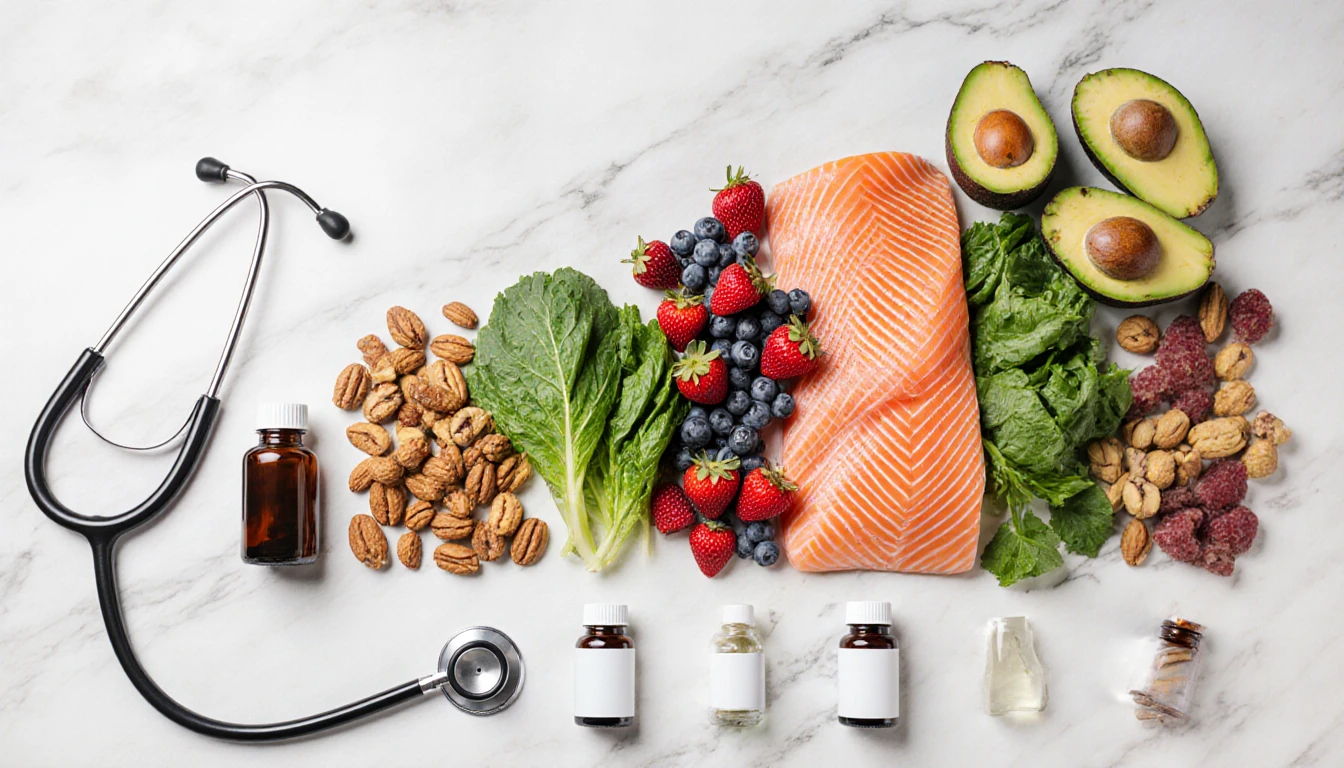
Ladies, let’s talk about something that affects every single one of us but rarely gets the attention it deserves at dinner parties: women’s health nutrients. While we’re busy juggling careers, families, and that never-ending mental load, our nutritional needs are quietly shifting like the seasons. And just like you wouldn’t wear a winter coat in July, your nutrient strategy shouldn’t be a one-size-fits-all approach either.
Whether you’re navigating your late thirties, embracing your fabulous forties, or conquering your phenomenal fifties and beyond, your body is essentially sending you a nutritional wish list that changes every decade. The good news? We’re about to decode that list together.
Before we dive into the age-specific goodness, let’s address the elephant in the room. Women’s nutritional needs aren’t just “men’s needs but smaller.” We have unique physiological processes – menstruation, pregnancy, breastfeeding, and menopause – that create distinct nutritional demands. Add to that our typically smaller body size and lower muscle mass, and suddenly that one-size-fits-all vitamin from the drugstore isn’t looking so clever.
Research shows that women are more likely to be deficient in iron, calcium, vitamin D, and B vitamins compared to men. Yet we’re also more likely to skip meals, diet restrictively, and put everyone else’s nutritional needs before our own. Sound familiar?
If you’re in this category, congratulations – you’re in what I like to call the “spinning plates” era. You might be building a career, possibly growing a family, or both simultaneously while trying to maintain some semblance of sanity. Your nutritional needs during this stage are all about supporting energy, fertility (whether you’re trying to conceive or not), and laying the groundwork for healthy aging.
Let’s start with iron, shall we? If you’re still menstruating, you’re losing iron monthly, and most women in this age group don’t consume enough to keep up. The recommended daily amount is 18mg, but here’s the kicker – your body only absorbs about 10-15% of the iron you consume from food sources.
Think beyond the classic steak and spinach combo. Lentils, chickpeas, and that fancy dark chocolate you’re hiding from the kids are excellent sources. Pro tip: pair iron-rich foods with vitamin C sources like bell peppers or strawberries to boost absorption by up to 400%.
Even if baby-making isn’t on your agenda, folate (or its synthetic cousin, folic acid) deserves a spot on your priority list. This B vitamin supports cellular function, helps prevent anemia, and plays a crucial role in DNA synthesis. The magic number is 400mcg daily, easily achieved through leafy greens, avocados, and fortified cereals.
Your bones are still building density until about age 30, then it’s all about maintenance. You need 1,000mg of calcium daily, but here’s where it gets interesting – calcium needs vitamin D to be properly absorbed. Aim for 600 IU of vitamin D daily, though many experts suggest higher amounts, especially if you live in cloudy climates or spend most of your time indoors.
Ah, the perimenopause years – when your hormones start practicing for their grand exit like understudies before opening night. This stage can begin anywhere from your late thirties to mid-forties and typically lasts 4-8 years. Your women’s health nutrients priorities shift significantly during this time.
Perimenopause often brings increased stress, sleep issues, and muscle tension. Enter magnesium, nature’s chill pill. This mineral supports over 300 enzymatic reactions in your body and can help with everything from reducing anxiety to improving sleep quality. You need about 320mg daily – think pumpkin seeds, almonds, and dark leafy greens.
As estrogen levels start their roller coaster ride, B vitamins become your mood and energy stabilizers. B6 is particularly important during this stage, as it helps with neurotransmitter production and can ease some perimenopausal symptoms. B12 becomes crucial too, as absorption can decrease with age.
With hormonal fluctuations affecting everything from memory to mood, omega-3 fatty acids are your brain’s best friend. Aim for 1.1g daily through fatty fish, walnuts, or flaxseeds. These healthy fats also support heart health and may help reduce inflammation.
Welcome to what I call the “no more nonsense” phase of life. Menopause has arrived (or is wrapping up), and your body is adjusting to its new normal. The silver lining? You know yourself better than ever, and your nutritional approach can be more targeted and effective.
Post-menopause, your calcium needs increase to 1,200mg daily due to decreased estrogen’s impact on bone density. But here’s the plot twist – more isn’t always better. Your body can only absorb about 500mg at a time, so spread your intake throughout the day. Vitamin D needs also increase to 800 IU daily to support calcium absorption and immune function.
After age 50, up to 30% of women don’t produce enough stomach acid to properly absorb B12 from food sources. This vitamin is crucial for nerve function, red blood cell formation, and cognitive health. Consider a supplement or look for fortified foods, as the synthetic form is easier to absorb.
With age comes increased oxidative stress, making antioxidants more important than ever. Vitamins C and E, along with selenium and zinc, help protect against cellular damage. Colorful fruits and vegetables are your best bet – aim for a rainbow on your plate daily.
Many women don’t realize that protein needs actually increase with age to help maintain muscle mass. After 50, aim for 1.0-1.2g per kg of body weight daily. That’s about 20-25% more than younger adults need.
Let’s address the supplement elephant in the room. While whole foods should always be your first choice for women’s health nutrients, sometimes supplements make sense. Before you raid the vitamin aisle, consider these guidelines:
A high-quality multivitamin can serve as nutritional insurance, but it shouldn’t replace a balanced diet. Focus on supplements that address specific deficiencies or needs – like vitamin D if you live in Seattle, or B12 if you’re over 50.
Quality matters enormously in the supplement world. Look for third-party tested products and avoid mega-doses unless recommended by your healthcare provider. More isn’t always better and can sometimes be harmful.
Theory is great, but let’s talk about implementing this in your actual, messy, beautiful life. Here are some strategies that work for real women with real schedules:
Meal prep isn’t just for fitness fanatics – it’s a sanity saver for anyone trying to eat well consistently. Spend Sunday afternoon washing and chopping vegetables, cooking grains, and preparing proteins. Your weekday self will thank you.
Keep a food diary for a week – not to restrict, but to identify patterns and gaps. You might discover you’re crushing it on vitamin C but falling short on iron, or that you consistently skip breakfast and crash by 3 PM.
Consider timing when you take supplements. Iron absorbs best on an empty stomach but can cause nausea, so take it with a small snack. Calcium competes with iron for absorption, so separate these by a few hours.
Here’s what I want you to remember: perfect nutrition is a myth, and you don’t need to be perfect to be healthy. Small, consistent changes trump dramatic overhauls every time. Start with one or two nutrients that resonate with your current life stage and health concerns.
Your women’s health nutrients needs are as unique as you are, influenced by genetics, lifestyle, stress levels, and health conditions. While this guide provides a solid foundation, consider working with a registered dietitian or healthcare provider to personalize your approach.
Remember, taking care of your nutritional needs isn’t selfish – it’s essential. You can’t pour from an empty cup, and you certainly can’t nourish others if you’re running on fumes yourself.
The journey of aging as a woman is complex, challenging, and absolutely magnificent. By understanding and honoring your changing nutritional needs, you’re not just surviving each stage – you’re thriving through it. And that, my friends, is something worth raising a (nutrient-rich) glass to.
Your body has carried you this far and will continue to do amazing things for decades to come. The least you can do is feed it well along the way.
Fun Fact: Here’s something that might blow your mind: your taste preferences actually change throughout your hormonal cycles and life stages due to fluctuating estrogen and progesterone levels. That sudden craving for dark chocolate during perimenopause isn’t just in your head – your body is literally asking for magnesium to help manage mood swings and muscle tension. Talk about intelligent design!
Spam isn’t healthy—we’ll only send you what matters.
Follow Us
Disclaimer: Wellness looks different for every woman. The information here is meant to inspire, not diagnose. Please check with your healthcare provider for guidance tailored to you.
Spam isn’t healthy—we’ll only send you what matters.
Let's talk about something that doesn't get nearly enough attention at brunch conversations—your bones. Yes, those 206...

Most metabolism myths targeting women over 35 are outdated or wrong. New research shows metabolism stays stable until 60, not 30. Instead of chasing quick fixes, focus on strength training, adequate protein, quality sleep, and stress management. This science-based guide reveals what actually matters for metabolic health and debunks the myths keeping you stuck.
Discover the Ageless Glow Diet – a science-backed approach to naturally boosting collagen production through delicious, accessible foods. Perfect for women over 35 seeking radiant skin without expensive supplements. Learn which everyday foods support collagen synthesis and protect against aging, plus get practical meal ideas for busy lifestyles.

Weekly inspiration, simple wellness tips, and health insights for women over 35 who want to feel vibrant and confident.
0 Comments