Let’s be honest—if you’re a woman over 35, you’ve probably been told to fear carbs more times than you’ve been told you look fabulous in that dress. Low-carb this, no-carb that, carbs make you tired, carbs make you fat. But here’s the thing: while you’ve been avoiding pasta like it’s your ex at a grocery store, you might’ve been missing out on the very fuel your body is desperately craving. The relationship between carbs and energy is far more nuanced than diet culture wants you to believe, and it’s time we had an honest conversation about it.
As we navigate our late thirties, forties, and beyond, our bodies change in ways nobody warned us about during our carefree twenties. Energy dips become more pronounced, brain fog rolls in uninvited, and that 3 PM slump feels like a daily appointment we can’t cancel. So we blame the carbs. But what if I told you that carbs aren’t the villain in your energy story—they might actually be the hero you’ve been waiting for?
Why Carbs Became Public Enemy Number One
Somewhere between the Atkins craze and the keto revolution, carbohydrates got seriously bad press. The diet industry—worth over $70 billion in the US alone—has convinced millions of women that carbs and energy are inversely related: eat carbs, lose energy, gain weight, feel terrible. It’s a narrative so ingrained that many of us feel guilty reaching for a slice of bread.
But here’s what the restrictive diet plans won’t tell you: your brain alone burns through about 120 grams of glucose (that’s carbs, darling) every single day. Your muscles, your organs, your hormonal system—they’re all running on glucose. When you drastically cut carbs and energy sources, you’re essentially asking your body to perform a marathon on an empty tank.
The Science of Carbs and Energy (Without the Boring Lecture)
Let’s break down what actually happens when you eat carbohydrates. Carbs convert to glucose, which your cells use for energy. Simple enough, right? But not all carbs are created equal, and this is where things get interesting.
The Carb Family Tree
Think of carbohydrates like a family reunion—you’ve got the refined relatives who show up, make a scene, and leave quickly (white bread, pastries, sugary snacks), and then you’ve got the complex cousins who bring actual value and stick around (whole grains, legumes, vegetables).
Simple carbs hit your bloodstream fast, causing blood sugar spikes followed by crashes that leave you reaching for more sugar or collapsing on the couch. Complex carbs, on the other hand, break down slowly, providing steady, sustained energy throughout your day. The connection between carbs and energy isn’t about elimination—it’s about selection.
What Happens to Women Over 35 (The Part Nobody Talks About)
Here’s where your age becomes relevant to this whole carbs and energy conversation. After 35, women experience significant metabolic shifts. Perimenopause can start as early as your mid-thirties, bringing hormonal fluctuations that affect how your body processes carbohydrates and manages energy.
Estrogen helps regulate insulin sensitivity, so as estrogen levels fluctuate and eventually decline, your body may not handle carbs the same way it did at 25. This doesn’t mean you should eliminate them—it means you need to be smarter about timing, type, and quantity. Women who completely cut carbs often experience worse hormonal imbalances, increased cortisol (hello, stress), disrupted sleep, and ironically, more intense cravings.
The Thyroid-Carb Connection
Your thyroid—that butterfly-shaped gland in your neck—is basically your body’s metabolic thermostat. And guess what it needs to function properly? Carbs. Adequate carbohydrate intake supports thyroid hormone conversion. Too few carbs, and your thyroid slows down, taking your metabolism and energy with it. This creates a vicious cycle where cutting carbs actually makes you more tired, not less.
The Kismet Fact: Your Gut Bacteria Vote for Carbs
Kismet: Here’s something that’ll blow your mind—your gut microbiome actually influences your carb cravings, and those beneficial bacteria need complex carbohydrates to survive! Scientists have discovered that certain gut bacteria produce compounds that directly communicate with your brain, essentially “requesting” specific carbs. When you feed your gut the right complex carbohydrates through fiber-rich foods, these beneficial bacteria thrive and produce short-chain fatty acids that reduce inflammation, support mental health, and—wait for it—actually improve your energy levels by up to 20% in some studies.
So those carb cravings? They might not be a weakness—they could be your microbiome asking for what it needs. Women over 35 often experience shifts in gut bacteria diversity due to hormonal changes, making this relationship between carbs and energy even more crucial. Your gut bacteria are literally campaigning for the right carbs to keep both them and you energized!
The Right Carbs for Maximum Energy
Now that we’ve established that carbs and energy are best friends (not enemies), let’s talk about which carbs deserve a spot on your plate.
Your Energy All-Stars
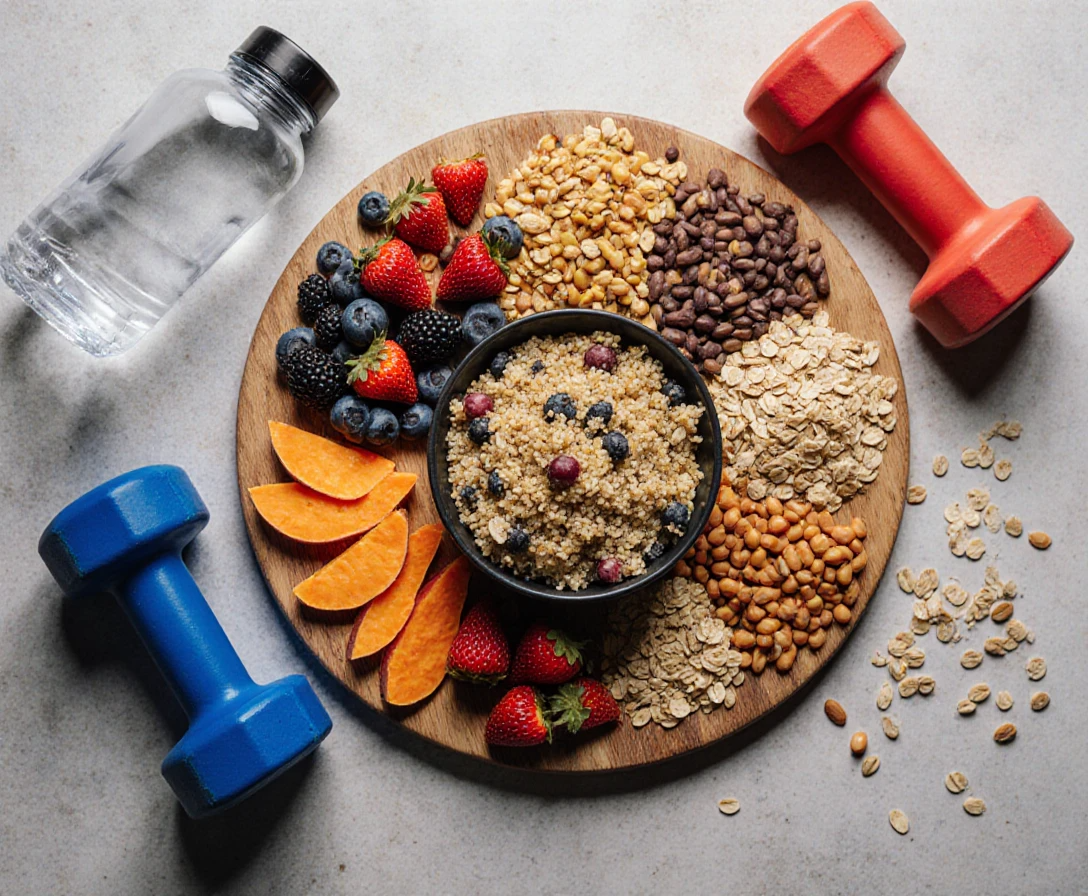
Oats: The breakfast champion. Rich in beta-glucan fiber that stabilizes blood sugar and keeps you satisfied for hours. Plus, they support heart health—crucial as cardiovascular risk increases for women over 35.
Sweet Potatoes: Packed with complex carbs, fiber, and vitamin B6 (which helps convert food into energy). The natural sweetness satisfies cravings without the crash.
Quinoa: A complete protein that’s also a carb—the overachiever of the grain world. Perfect for post-workout recovery when your muscles need both protein and carbs for energy replenishment.
Legumes: Beans, lentils, and chickpeas offer the ultimate slow-release energy. High in both protein and fiber, they’re the MVPs for maintaining steady blood sugar throughout your day.
Berries: Lower in sugar than most fruits but still satisfying, berries provide carbs plus antioxidants that combat the oxidative stress that increases with age.
Timing Is Everything: When to Eat Carbs for Optimal Energy
The relationship between carbs and energy isn’t just about what you eat—it’s about when you eat it. Your body’s carb tolerance varies throughout the day based on circadian rhythms and activity levels.
Morning: Your insulin sensitivity is typically highest in the morning, making breakfast an ideal time for complex carbs. That bowl of oatmeal isn’t just delicious—it’s strategically timed fuel.
Pre-Workout: Eating carbs 1-2 hours before exercise gives your muscles the glycogen they need for performance. No carbs, no energy, no motivation to move.
Post-Workout: This is your “carb window”—when your muscles are primed to absorb glucose for recovery. This is not the time to feel guilty about carbs.
Evening: While some experts debate this, many women find that moderate complex carbs at dinner (think half a sweet potato or a small serving of brown rice) actually improve sleep by supporting serotonin production. Better sleep equals better energy tomorrow.
Red Flags You’re Not Getting Enough Carbs
Still convinced you should keep carbs at arm’s length? Watch for these warning signs that your body is crying out for more carbs and energy:
– Constant fatigue despite adequate sleep
- Intense cravings for sweets or refined carbs
- Difficulty concentrating or persistent brain fog
- Irritability or mood swings (hangry, anyone?)
- Disrupted menstrual cycles
- Workout performance decline
- Constipation (fiber from carbs keeps things moving)
- Hair thinning or brittle nails
If you’re checking off more than three of these, your low-carb experiment might be backfiring.
The Balanced Plate Blueprint
So what does a properly fueled plate actually look like? For most women over 35, a balanced approach to carbs and energy includes:
– 1/4 of your plate: Quality complex carbohydrates
- 1/4 of your plate: Lean protein (which slows carb absorption)
- 1/2 of your plate: Non-starchy vegetables (also carbs, but very low calorie)
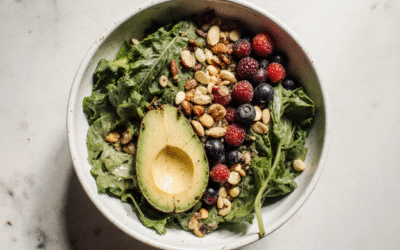
- A healthy fat source: Avocado, olive oil, nuts, or seeds
This isn’t about perfection—it’s about balance. Some meals will be different, and that’s fine. But this framework ensures you’re getting enough carbs and energy without overdoing it.
Reclaiming Your Energy Story
The truth about carbs and energy is delightfully simple: you need carbohydrates to feel energized, think clearly, move joyfully, and live fully. Your body after 35 isn’t broken—it’s just speaking a slightly different language, and part of that language involves honoring your need for quality fuel.
Stop letting diet culture steal your energy by demonizing an entire macronutrient group. The tiredness, the brain fog, the irritability—these aren’t just “getting older.” They might be signs that you’ve been denying your body the very thing it needs most.
So go ahead—have the roasted sweet potato. Enjoy your morning oatmeal. Savor that quinoa bowl. Your body, your brain, and especially your energy levels will thank you. Because the real truth about carbs and energy? They were meant to be together, fueling you through every fabulous decade ahead.
Your vibrant, energized life is waiting—and it’s absolutely allowed to include carbs.