Your brain is your most valuable asset – here’s how to keep it sharp, vibrant, and resilient for decades to come.
Ladies, let’s talk about something we don’t discuss nearly enough at our coffee dates or girls’ nights out: daily habits that protect brain health long-term. While we’re busy juggling careers, families, and that ever-growing to-do list, our brains are working overtime – and they deserve some serious TLC.
If you’re over 35 (hello, fellow wisdom warriors!), you’ve probably noticed those little moments. Maybe you walked into a room and forgot why, or struggled to remember that actor’s name from the movie you watched last weekend. Before you panic and start googling “early dementia signs” at 2 AM, take a deep breath. These moments are normal, but they’re also your brain’s gentle reminder that it’s time to invest in some protective habits.
Why Brain Health Matters More After 35
Let’s get real for a moment. After 35, our bodies start changing in ways that affect our cognitive function. Hormonal fluctuations, increased stress, and the cumulative effects of modern life can all impact our mental sharpness. But here’s the empowering truth: unlike our teenage years when we thought we were invincible, we now have the wisdom and discipline to take proactive steps.
The habits you build today aren’t just about preventing cognitive decline – they’re about thriving. Imagine having the mental clarity to crush that presentation at 65, or the sharp memory to tell detailed stories to your grandchildren at 80. That’s what we’re building toward.
The Morning Ritual That Rewires Your Brain
Start with Hydration (But Make It Interesting)
Your brain is about 75% water, so dehydration hits it first and hardest. But instead of just chugging plain water, try this brain-boosting morning cocktail: warm water with a squeeze of lemon, a pinch of sea salt, and a dash of turmeric. The electrolytes support neural communication, while turmeric’s curcumin helps reduce brain inflammation.
The 5-Minute Rule for Mental Flexibility
Before you reach for your phone, spend five minutes doing something that challenges your brain in a new way. This could be brushing your teeth with your non-dominant hand, solving a different type of puzzle, or even taking a new route to the coffee machine. These small acts of novelty create new neural pathways and keep your brain adaptable.
Movement: Your Brain’s Best Friend
It’s Not Just About the Gym
Yes, we know exercise is good for us (eye roll – tell us something we don’t know, right?). But here’s what’s fascinating: the type of movement that best protects your brain might surprise you. While cardio gets all the glory, daily habits that protect brain health long-term actually include more variety than you’d expect.
Dance Like Nobody’s Watching (Because They’re Not)
Dancing combines physical movement, music, and coordination in a way that lights up your entire brain. Whether it’s salsa in your kitchen while making dinner or following a YouTube tutorial, dancing creates new neural connections while releasing mood-boosting endorphins. Plus, it’s way more fun than another Zoom yoga class.
Walk and Talk (To Yourself)
Walking meetings aren’t just trendy – they’re brain gold. The rhythmic movement of walking enhances creative thinking and memory consolidation. If you’re working from home, take your phone calls while strolling around the block. Your brain will thank you, and your neighbors will just think you’re very popular.
Feed Your Brain Like the Queen It Is
The Mediterranean Magic
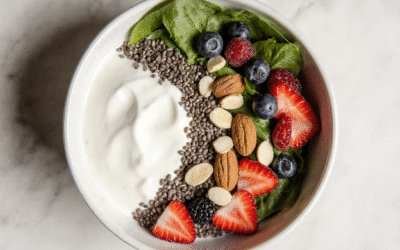
The Mediterranean diet isn’t just Instagram-worthy – it’s been shown to reduce cognitive decline by up to 13%. Focus on omega-3 rich fish (salmon, sardines), colorful vegetables, nuts, and olive oil. But here’s a pro tip: don’t overhaul everything at once. Start by adding one brain-healthy food to each meal.
The Forgotten Superfood: Dark Chocolate
Here’s permission to indulge (in moderation): dark chocolate with at least 70% cocoa contains flavonoids that improve blood flow to the brain. A small square after lunch can actually enhance your afternoon mental performance. You’re welcome.
Spice Things Up
Turmeric, rosemary, and cinnamon aren’t just flavor enhancers – they’re brain protectors. Turmeric reduces inflammation, rosemary may improve memory (there’s a reason Hamlet’s Ophelia said “rosemary for remembrance”), and cinnamon helps regulate blood sugar, which keeps your brain energy stable.
Sleep: The Ultimate Brain Detox
Quality Over Quantity (But Quantity Matters Too)
While you sleep, your brain literally cleans itself through the glymphatic system, washing away toxic proteins that could lead to cognitive decline. Aim for 7-9 hours, but focus on consistency. Going to bed and waking up at the same time every day – yes, even on weekends – supports your brain’s natural repair cycles.
Create a Digital Sunset
The blue light from screens disrupts melatonin production, which affects not just sleep quality but also your brain’s nightly cleanup process. Create a “digital sunset” by switching off screens an hour before bed. Use this time for reading, gentle stretching, or planning tomorrow (writing things down actually helps your brain relax).
Stress Management: Protecting Your Brain’s Command Center
The Chronic Stress Brain Drain
Chronic stress literally shrinks your hippocampus (the brain’s memory center) while enlarging your amygdala (the fear center). For women over 35, who often juggle multiple responsibilities, managing stress isn’t luxury – it’s brain protection.
Micro-Meditations for Busy Lives
You don’t need to sit cross-legged for an hour. Try “micro-meditations” – 2-3 minutes of focused breathing while your coffee brews, or mindful attention to physical sensations while washing dishes. These brief moments of mindfulness add up to significant brain benefits.
The Power of Saying No
Here’s a revolutionary brain health habit: protecting your mental energy by setting boundaries. Every yes to something unimportant is a no to your cognitive resources. Your future self will thank you for guarding your mental space as fiercely as you guard your physical health.
Social Connection: Your Brain’s Support Network
Quality Relationships Over Quantity
Strong social connections can reduce dementia risk by up to 50%. But it’s not about having hundreds of Facebook friends – it’s about meaningful relationships that challenge you intellectually and support you emotionally.
Learn Something New (With Others)
Join a book club, take a cooking class, or learn a new language. The combination of learning and social interaction creates a powerful brain-protective effect. Plus, it’s more fun than doing crossword puzzles alone (though those help too).
The Technology Balance
Smart Use of Smart Devices
Technology isn’t the enemy, but mindless scrolling is. Use apps that challenge your brain – language learning, strategy games, or meditation apps. Set specific times for social media, and use the rest of your phone time for brain-building activities.
The Art of Single-Tasking
Multitasking is a myth that actually impairs cognitive function. Practice single-tasking: when you’re eating, just eat. When you’re having a conversation, just listen. This focused attention strengthens your brain’s ability to concentrate and improves memory formation.
Building Your Personal Brain Health Plan
Start Small, Think Big
Don’t try to implement every habit at once. Choose 2-3 that resonate with you and build them into your routine over the next month. Once they feel natural, add more. Remember, daily habits that protect brain health long-term are exactly that – daily and long-term.
Track Your Progress (But Don’t Obsess)
Keep a simple journal of how you feel mentally. Are you more focused? Is your memory sharper? Do you feel more creative? These subjective measures are just as important as any test score.
Your Brain Health Action Plan
The beautiful truth is that it’s never too late to start protecting your brain, and it’s never too early to begin. Every healthy choice you make today is an investment in your future self – the woman who will hopefully be living her best life well into her 80s and beyond.
Your brain has carried you this far with grace, intelligence, and resilience. Now it’s time to return the favor. Start with one habit today, and remember – the best time to plant a tree was 20 years ago, but the second-best time is right now.
Which brain health habit will you commit to starting this week? Your future self is counting on you, and she’s going to be absolutely brilliant.
Remember: Always consult with healthcare professionals before making significant changes to your health routine. This information is for educational purposes and should not replace medical advice.
Fun Fact: Here’s something that might surprise you – your brain actually starts shrinking by about 0.2% per year after age 35, but here’s the plot twist: women’s brains remain more active and interconnected than men’s well into their 70s and 80s. This increased connectivity might explain why we’re so good at multitasking (and remembering where everyone left their keys)!